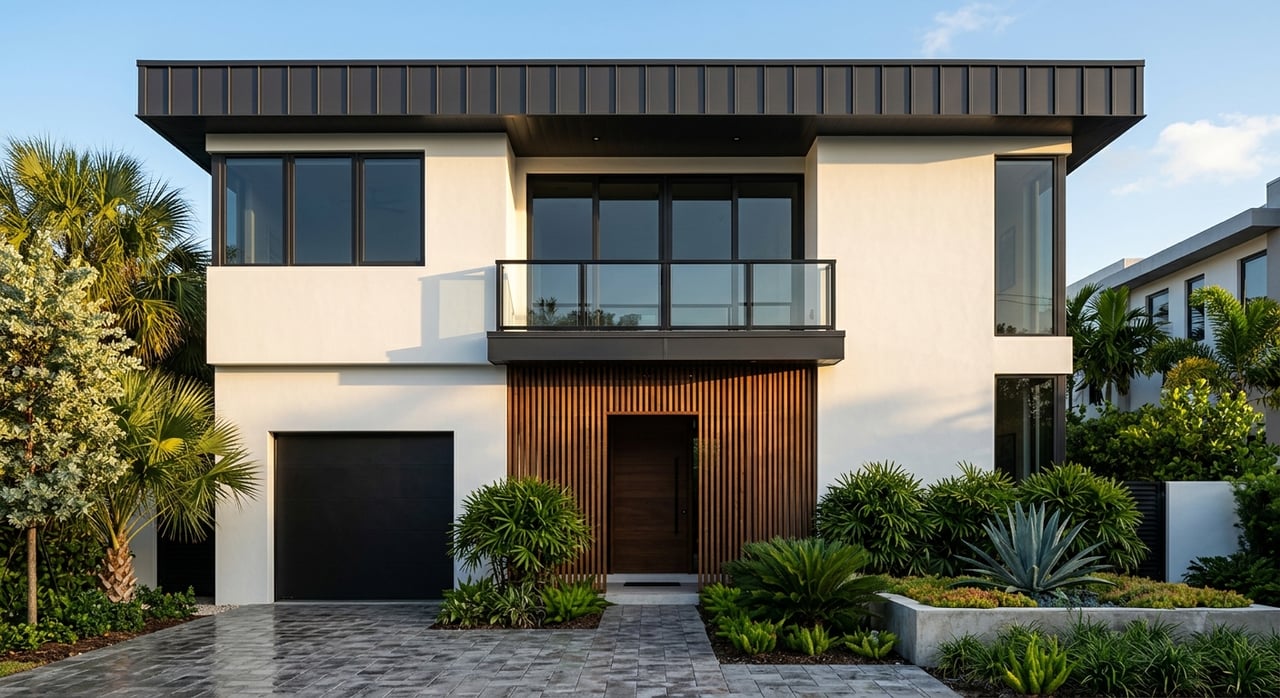
St Petersburg Condo vs Townhome for Seasonal Living
July 9, 2026
July 9, 2026
Trying to choose between a condo and a townhome for your St. Petersburg getaway? For many seasonal buyers, the real difference is not just the building style. It is how the property is owned, what the association maintains, and how easy the home will be to manage when you are out of state. If you want a clearer way to compare your options before you tour, this guide will walk you through the Florida rules and practical questions that matter most. Let’s dive in.
In Florida, a condo and a townhome can look similar from the street, but they may operate very differently. That is because a condo is a distinct form of ownership where each unit includes an undivided share of the common elements, while an HOA community is organized around parcels with recorded declarations, membership requirements, and assessments.
For you as a seasonal buyer, that means the label alone is not enough. A townhome is not automatically more independent, and a condo is not automatically more restrictive. The declaration, budget, and governing documents often tell you more than the marketing remarks ever will.
With a Florida condo, your unit is part of a larger condominium property. The association operates the condominium property, and the common elements are the parts of the property that are not included within the units.
That structure often appeals to seasonal buyers because many shared responsibilities are handled at the association level. If you want a place you can lock up and leave for part of the year, that can be a meaningful advantage.
In many condo communities, the association is responsible for maintaining common elements. Condo common expenses can include maintenance, repair, replacement, and protection of common elements and association property.
That can create a simpler ownership experience if you do not want to coordinate as much exterior upkeep from another state. At the same time, it can also mean your dues reflect a more formal shared-building cost structure.
In an HOA-governed townhome community, ownership is generally tied to a parcel within a recorded community. Membership is mandatory, and assessments can become liens.
The key point is that a townhome’s appearance does not determine its legal setup. Some properties that look like townhomes may still be legally structured as condos, so you need to confirm the actual ownership form in the documents.
HOA communities control common areas owned, leased, or dedicated for use or maintenance by the association or its members. Beyond that, the declaration usually decides what the owner handles and what the association handles.
For a seasonal buyer, that can mean more variation from one property to the next. One townhome community may feel very hands-off, while another may leave you with more exterior responsibilities than you expected.
For many snowbirds, a condo is often the easier fit if you want more exterior maintenance shifted to the association. That can be helpful when you are not in St. Petersburg year-round and want fewer moving parts while you are away.
Still, there is no one-size-fits-all answer. The better choice depends on the declaration, the reserve setup, what the dues cover, and whether the community has a history of special assessments.
Monthly dues matter, but what those dues actually cover matters even more. Two homes with similar prices can carry very different long-term costs based on maintenance obligations, reserve funding, and future repair needs.
For seasonal buyers, this is one of the most important comparison points because it affects both your budget and your peace of mind.
In condos, common expenses include maintenance, repair, replacement, and protection of common elements and association property. Florida law also includes hurricane-protection rules for condominiums, and the declaration helps determine who pays for certain related costs.
For many condo buildings that are three stories or higher, Florida requires a structural integrity reserve study at least every 10 years. Milestone inspections are also required for buildings three stories or higher when they reach age 30, and then every 10 years after that.
These requirements matter because they can affect reserve planning, assessments, and your long-term carrying costs. If you are comparing condo options in St. Petersburg, this is one of the biggest Florida-specific issues to watch.
HOA townhome communities can also maintain reserve accounts for capital expenditures and deferred maintenance. However, Florida HOA law is more flexible, since reserves can be established by majority vote.
If reserves are not fully funded, the financial report must warn owners that special assessments may result. In practical terms, HOA dues may be lower or more variable depending on what the declaration assigns to the owner versus the association.
If you plan to keep bikes, beach gear, or seasonal items at your St. Petersburg property, parking and storage rules deserve a close look. This is another area where condos and townhomes can differ in ways that affect your daily use.
In condos, parking and storage are often highly document-specific. Florida law distinguishes between units, common elements, and limited common elements, so a parking space may be deeded, assigned, or shared under community rules.
That is why you should confirm exactly how parking works before you buy. The same goes for storage lockers, bike rooms, and any exclusive-use spaces that may seem included at first glance.
Florida HOA law provides broader storage protection for many parcel owners. An association may not restrict items stored on a parcel if those items are not visible from the parcel frontage, an adjacent parcel, an adjacent common area, or a community golf course, unless another law or local ordinance says otherwise.
The statute specifically references items such as boats and recreational vehicles. For many seasonal buyers, that may translate to more flexibility for keeping bikes, beach supplies, or other personal items on the parcel.
Storm readiness is always part of owning property on Florida’s Gulf Coast, and it matters even more if you live elsewhere for part of the year. St. Petersburg’s Office of Emergency Management handles mitigation, preparedness, response, and recovery, and the city promotes Know your Zone resources.
For you, that means storm planning should be part of your home search, not an afterthought. You want to know how the association communicates, what access procedures apply during emergencies, and what happens if a storm approaches while you are away.
Florida gives both condominium associations and HOA communities emergency powers. For absentee owners, that can make community procedures around preparation, access, and communication especially important.
A well-run association can make seasonal ownership smoother when weather events disrupt normal routines. Before you buy, ask how the community handles storm notices, building access, and post-storm updates for owners who are out of state.
Before you fall in love with a floor plan or water view, review the community paperwork. For seasonal buyers, this step often reveals whether a property will feel easy and predictable or complicated and expensive.
Florida condo buyers are entitled to a larger statutory disclosure package. That includes the declaration, articles, bylaws and rules, annual financial statement and annual budget, the milestone-inspection summary if applicable, and the most recent structural integrity reserve study or a statement that none has been completed.
These documents can help you understand both your rights and your future costs. They are especially useful when you are comparing older buildings or larger multi-story communities.
HOA townhome buyers should also request the governing documents and financial records. Florida law requires associations to maintain official records that include the declaration, bylaws, articles, current rules, plans and warranties for common-area improvements, insurance policies, contracts, financial records, and annual budgets.
This review helps you answer the questions that matter most: what the dues cover, how reserves are handled, and where future expenses may land.
If your top priority is a more lock-and-leave ownership style, a condo may be the stronger fit. If your top priority is more flexibility for storage and parcel use, a townhome in an HOA may deserve a closer look.
The best move is to compare each property through the same lens:
In St. Petersburg, those questions often tell you more than the property type itself. When you review them carefully, you can buy with more confidence and fewer surprises.
If you are weighing a condo against a townhome for seasonal living in St. Petersburg, The Michelle Ward Group can help you compare the documents, carrying costs, and day-to-day fit so you choose the right Florida home for the way you actually live.
Stay up to date on the latest real estate trends.
The Michelle Ward Group is constantly building its reputation, which is critical to buyers and sellers of real estate. Michelle Ward Group is a well-experienced team that consistently delivers the results the most affluent home buyers and sellers demand.