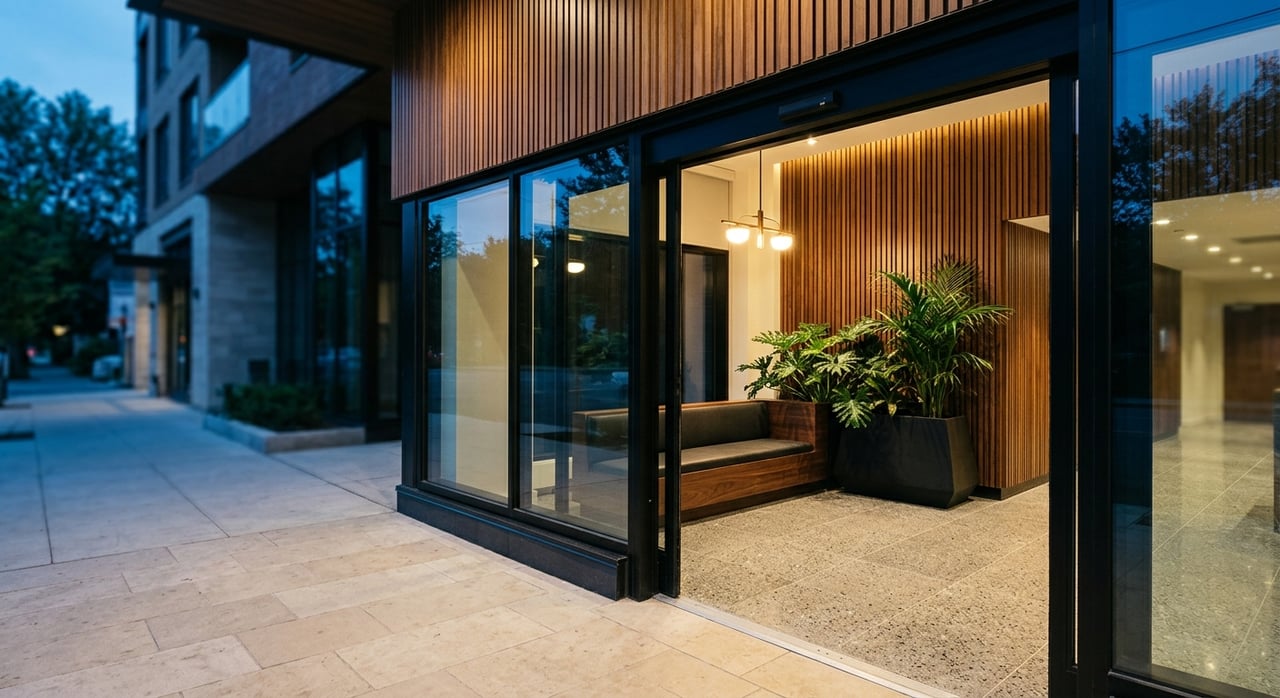
Is Downtown St Petersburg Lifestyle Right for You?
July 2, 2026
July 2, 2026
Wondering what it’s really like to live in downtown St. Petersburg? If you are thinking about a move, a second home, or a low-maintenance Florida lifestyle, downtown can feel exciting and a little hard to decode from a distance. This guide will help you understand how downtown St. Pete works day to day, what kind of housing you will likely find, and which parts of the area may fit your routine best. Let’s dive in.
Downtown St. Petersburg is best understood as a connected collection of walkable districts rather than one single environment. Official downtown materials describe a pedestrian-friendly core with waterfront parks, historic architecture, shops, galleries, and attractions packed into a relatively compact area.
That matters if you are choosing a home based on lifestyle, not just square footage. You may be able to live near the water, walk to museums or restaurants, and still move easily between different parts of downtown depending on the day.
The city identifies several downtown subdistricts, including the EDGE District, Central Arts District, Waterfront Arts District, Warehouse Arts District, Grand Central District, and Innovation District. Each one adds a slightly different rhythm to downtown living.
For you, that means the downtown experience can vary block by block. One area may feel more arts-focused, another more tied to dining and nightlife, and another more connected to the waterfront or mixed-use residential living.
The Waterfront Arts District combines major museums and performing arts venues with access to parks and the bayfront. Official downtown materials place the Dalí, the Museum of Fine Arts, the St. Petersburg Museum of History, the James Museum, the Mahaffey Theater, the Palladium, and American Stage in this part of downtown.
If you want culture close to home, this area stands out. You can picture evenings built around performances, museum visits, waterfront walks, and nearby dining without needing a long drive.
The Central Arts District is described by the city as a dense cluster of local restaurants, bars, breweries, galleries, performance venues, boutiques, murals, and the Chihuly Collection and Morean venues. Morean Arts Center locations on Central Avenue reinforce how important this corridor is to downtown’s identity.
This part of downtown often appeals to buyers who want energy and variety nearby. If your ideal routine includes coffee shops, galleries, casual dinners, and an active street scene, this district may feel especially compelling.
The city describes the EDGE District as walkable and filled with murals, historic buildings, galleries, eateries, pubs, shops, and boutiques. That mix gives the area a creative, urban feel while still staying connected to the larger downtown core.
For future residents, the draw is convenience with personality. You are not just choosing a home address. You are choosing how easily you can step out your door and find something to do.
One of downtown St. Pete’s biggest advantages is how closely everyday life connects to the waterfront. City planning documents describe the downtown waterfront as a park-like U-shape along the eastern edge of downtown, anchored to the south by the Duke Energy Center for the Arts area and to the north by the Vinoy area.
This is not a waterfront that sits apart from daily routines. It is woven into the downtown experience, with parks, walking paths, open views, and gathering spaces shaping how people spend time before work, after dinner, or on a casual weekend morning.
The city’s downtown guide map places several parks within or immediately next to downtown, including North Shore Park, Vinoy Park, North Straub Park, South Straub Park, Pioneer Park, Demens Landing Park, Albert Whitted Park, Campbell Park, and Roser Park.
That concentration of green space gives downtown an outdoor dimension that many urban centers do not have. If you value fresh air, walking routes, water views, or open public space, downtown St. Pete offers those amenities as part of the setting, not as a separate destination.
The official St. Pete Pier site describes the Pier as a 26-acre destination designed for strolling, biking, dining, drinking, shopping, swimming, and concerts. For residents, that means the Pier functions less like a one-time attraction and more like an extension of the neighborhood.
If you live downtown, it is easy to imagine the Pier becoming part of your normal routine. You might head there for a walk, meet friends for a meal, or spend part of the day by the water without planning a full outing.
Downtown St. Pete supports a car-light lifestyle, even if it is not fully car-free. Transportation options shown on official maps and transit materials include the free Downtown Looper, the free Central Avenue Trolley, the SunRunner bus rapid transit line, Pinellas Trail access, bike-share hubs, e-scooter corrals, and parking garages.
For buyers relocating from less walkable areas, this can be a major quality-of-life shift. Depending on where you live in the downtown area, you may be able to use your car less often for dining, entertainment, waterfront access, and some daily errands.
The Downtown Looper runs every 15 to 20 minutes, seven days a week, with stops at downtown anchors such as the Pier, the Vinoy area, the Museum of Fine Arts, the Dalí, BayWalk, and USF St. Petersburg. The Central Avenue Trolley links Grand Central Station and the St. Pete Pier.
These free options make it easier to explore downtown without thinking about parking for every stop. If you are new to the area, they also help you learn the districts before deciding which part of downtown feels most like home.
The SunRunner connects downtown with Central Avenue business districts, Pasadena, and St. Pete Beach. That wider connection adds flexibility if you want quick access to other parts of the city while still living in the downtown core.
For second-home buyers or future full-time residents, this kind of connectivity can make downtown feel more practical. You get an urban setting with links to surrounding destinations that support a broader Florida lifestyle.
Downtown St. Pete is built for people who want recurring experiences nearby. Official materials point to a strong mix of restaurants, bars, breweries, galleries, shops, murals, and performance venues across the downtown districts.
That means your evenings can stay local and varied. Instead of planning around a drive, you can often choose between a show, a live music venue, a museum event, or a dinner out within the same general area.
Jannus Live is an open-air courtyard venue at 200 1st Avenue N, and the Mahaffey Theater is located on the water’s edge at 400 First Street S in the heart of downtown. Research also notes that the Mahaffey sits within walking distance of shops, dining, and cultural museums.
For you, this supports a lifestyle where entertainment is not occasional. It can become part of your weekly routine, especially if you enjoy concerts, touring acts, or performing arts close to home.
Downtown housing is shaped by the city’s zoning and land-use framework. City materials show Downtown Center-Core, Downtown Center-1, Downtown Center-2, and Downtown Center-3 districts, along with residential and planned mixed-use categories.
Planning documents also describe downtown projects as mixed-use development with ground-floor retail or restaurants and residential space above. Based on that framework, downtown housing is typically more aligned with condos, apartments, loft-style residences, and mixed-use buildings than detached single-family homes.
If you prioritize walkability, culture, waterfront access, and lower-maintenance living, downtown may be a strong match. This setting can work especially well for buyers seeking a primary residence with an urban feel, a seasonal home, or a lock-and-leave property.
It may also appeal to people who want their home base close to dining, parks, and events rather than centered on a large yard or a more traditional residential layout.
If you like being close to downtown but want a more house-oriented setting, nearby established neighborhoods may be worth considering. City fire service materials identify nearby areas including Old Northeast, Euclid/St. Pauls, Crescent Lake, Crescent Heights, Old South East, Kenwood, and Ponce De Leon.
These areas represent the transition from the urban core into older residential districts around downtown. In practical terms, they may suit buyers who want easier access to downtown amenities while preferring a quieter residential rhythm or more house-style inventory.
Downtown St. Petersburg works best when your home search starts with your routine. Think about whether you want to walk to parks, spend regular time near the water, use transit options, and keep dining and entertainment close to home.
You should also consider what type of property fits your goals. If a condo, apartment-style residence, or mixed-use building matches your lifestyle, downtown may check a lot of boxes. If you want a more traditional neighborhood-house feel, looking just beyond the core could make more sense.
For many buyers, the real question is not whether downtown St. Pete is appealing. It is whether you want to live in the middle of the energy or near it. The right answer depends on how you want your days to feel.
If you are weighing downtown St. Petersburg against nearby neighborhoods, the right guidance can save you time and help you focus on the areas that truly fit your goals. The Michelle Ward Group can help you compare lifestyle, location, and property options with a clear strategy.
Stay up to date on the latest real estate trends.
The Michelle Ward Group is constantly building its reputation, which is critical to buyers and sellers of real estate. Michelle Ward Group is a well-experienced team that consistently delivers the results the most affluent home buyers and sellers demand.