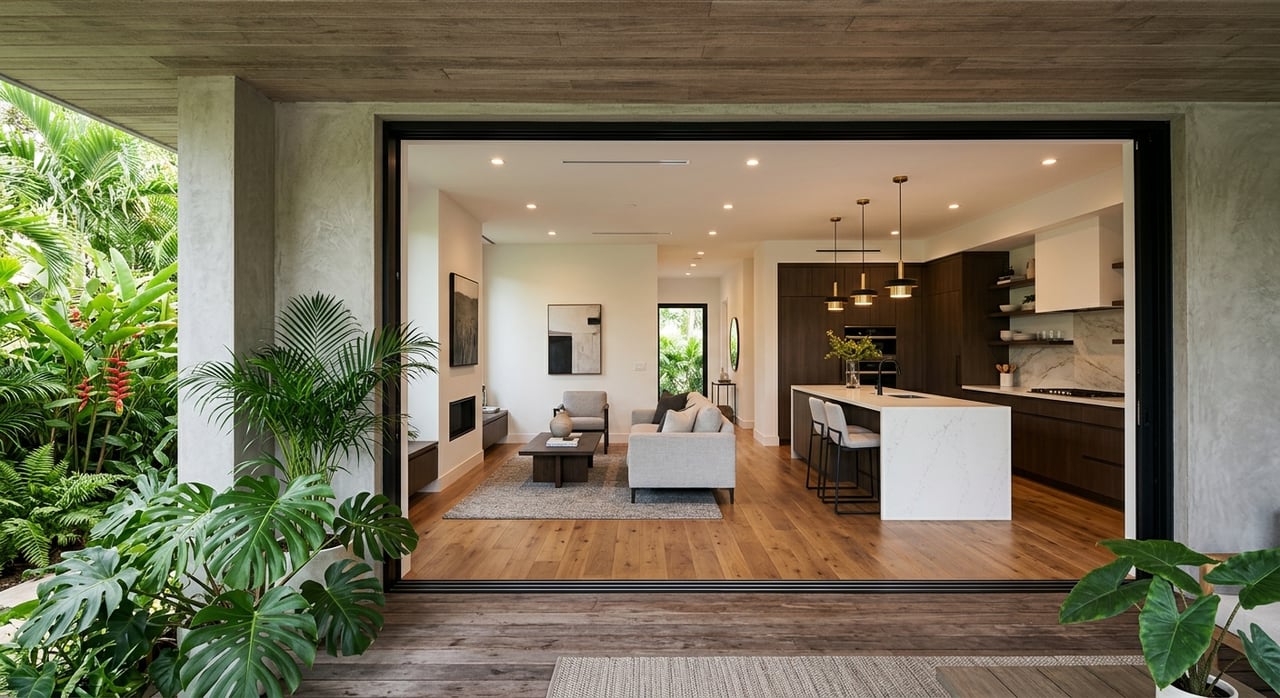
Sarasota Waterfront Renovation Tips Before You Sell
June 11, 2026
June 11, 2026
If you are thinking about selling a Sarasota waterfront home, the biggest renovation mistake is often doing too much in the wrong places. Buyers are still active, but they are paying close attention to condition, paperwork, and signs of deferred maintenance. A smart pre-listing plan can help you spend where it counts, avoid surprise compliance issues, and present your property with confidence. Let’s dive in.
Sarasota County’s market has remained active, but buyers have become more selective about the homes they pursue. In March 2026, traditional single-family sales in Sarasota County rose 22.5% year over year to 812, with a median sale price of $494,705. Traditional condo and townhome sales also increased 12.8% to 335, with a median sale price of $300,000.
That kind of activity is good news, but it does not mean every waterfront listing will get a pass on condition. According to the 2025 Remodeling Impact Report, 46% of buyers are less willing to compromise on home condition. That is why your renovation roadmap should focus on reducing buyer hesitation, not just updating finishes.
Before you think about a full kitchen remodel or a luxury bath overhaul, look at the parts of your home that shape first impressions and buyer confidence. In many cases, these are the improvements that help your property feel cared for, functional, and easier to buy.
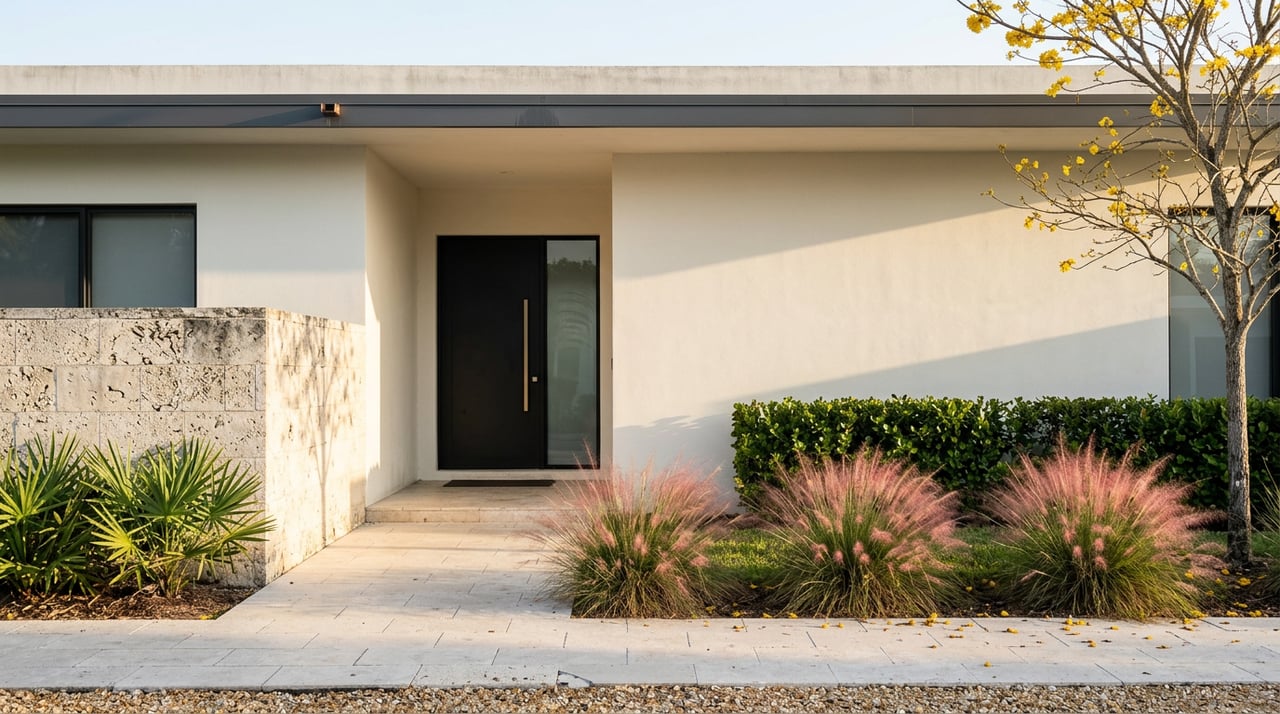
National cost-versus-value data continues to favor exterior improvements. Zonda’s 2025 report found that 8 of the top 10 projects by return were exterior replacements, including garage doors, steel entry doors, manufactured stone veneer, and fiber-cement siding. The broader takeaway is simple: buyers respond well to homes that look clean, maintained, and low-stress from the curb.
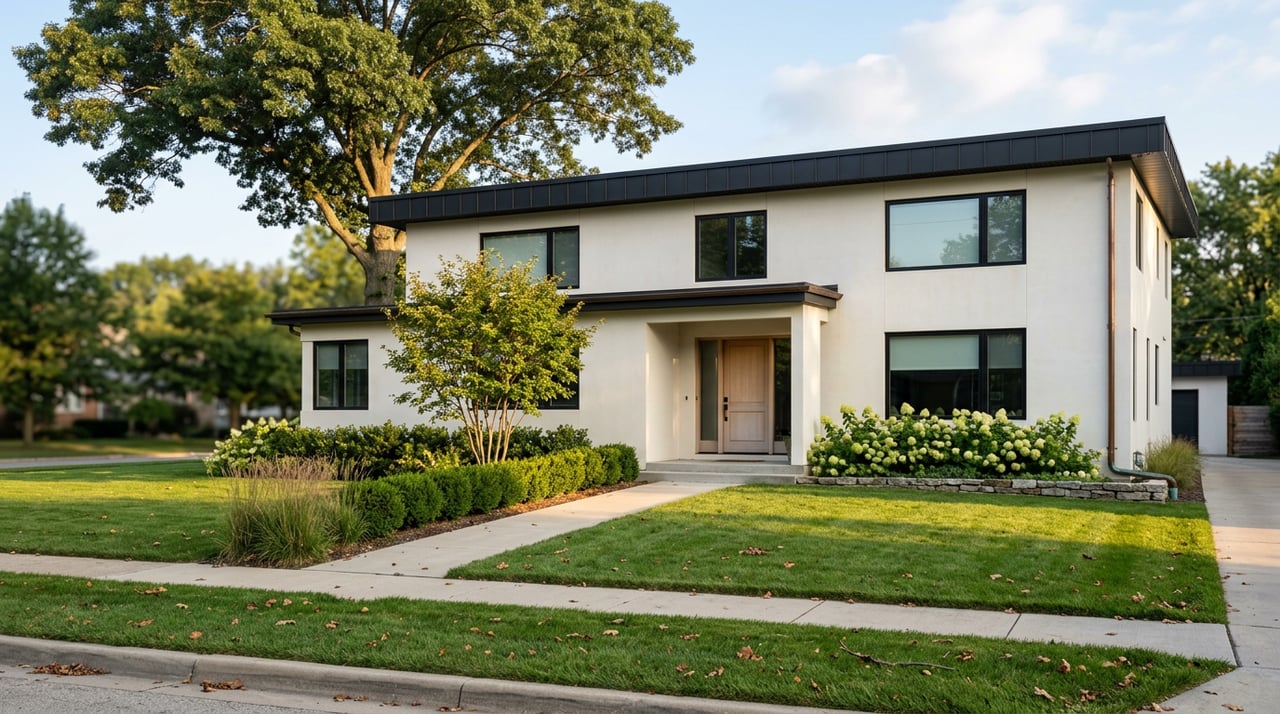
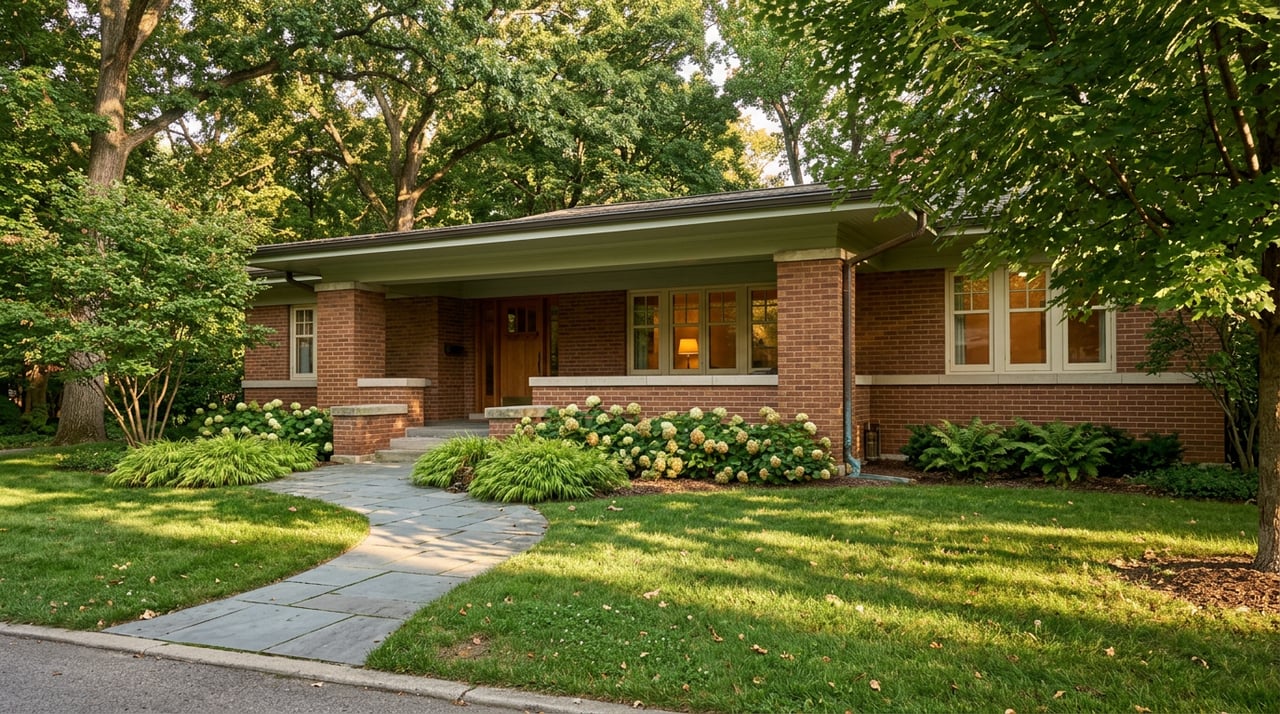
For a Sarasota waterfront seller, that may include fresh paint, updated entry details, improved landscaping, exterior lighting, and visible repairs that remove questions before a showing starts. Even if your home is high-end, buyers often notice maintenance cues before they notice design upgrades.
The 2025 Remodeling Impact Report also found that real estate professionals commonly recommend painting and new roofing before listing. If your roof is aging or shows obvious wear, buyers may assume larger hidden costs are coming next.
The same is true for small but noticeable issues like damaged trim, worn-out doors, dated fixtures, or peeling finishes. These may seem minor on their own, but together they can make a waterfront home feel less turnkey.
On a waterfront home, buyers are not just evaluating the house. They are also evaluating access, shoreline condition, and the level of effort they may face after closing.
If your property includes a dock or boat lift, those features should be evaluated early. In Sarasota, docks and shoreline work are regulated items, not just cosmetic improvements. The City of Sarasota Building Division requires a permit exemption or permit from the Florida Department of Environmental Protection for all new docks and for expansions or additions to existing docks.
For some new docks or extensions in open waters of Sarasota Bay, the city may also require a signed and sealed bathymetric survey. That means last-minute dock work can easily affect your budget and timeline.
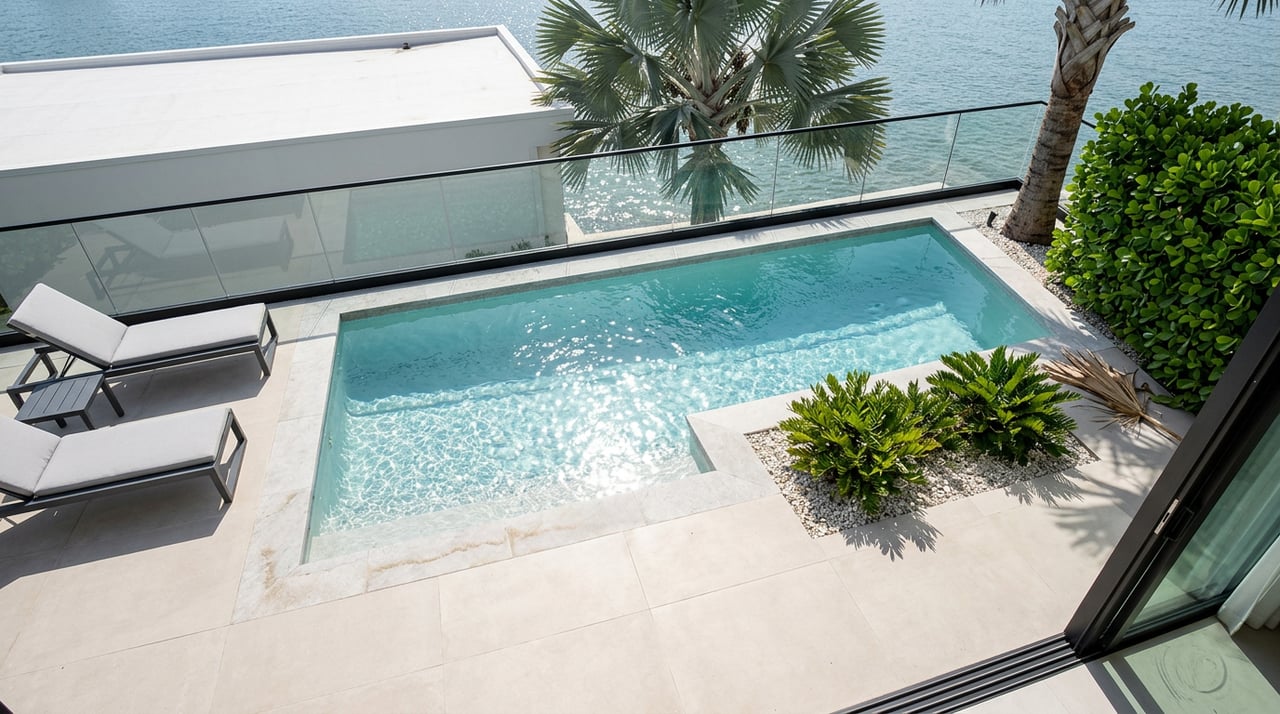
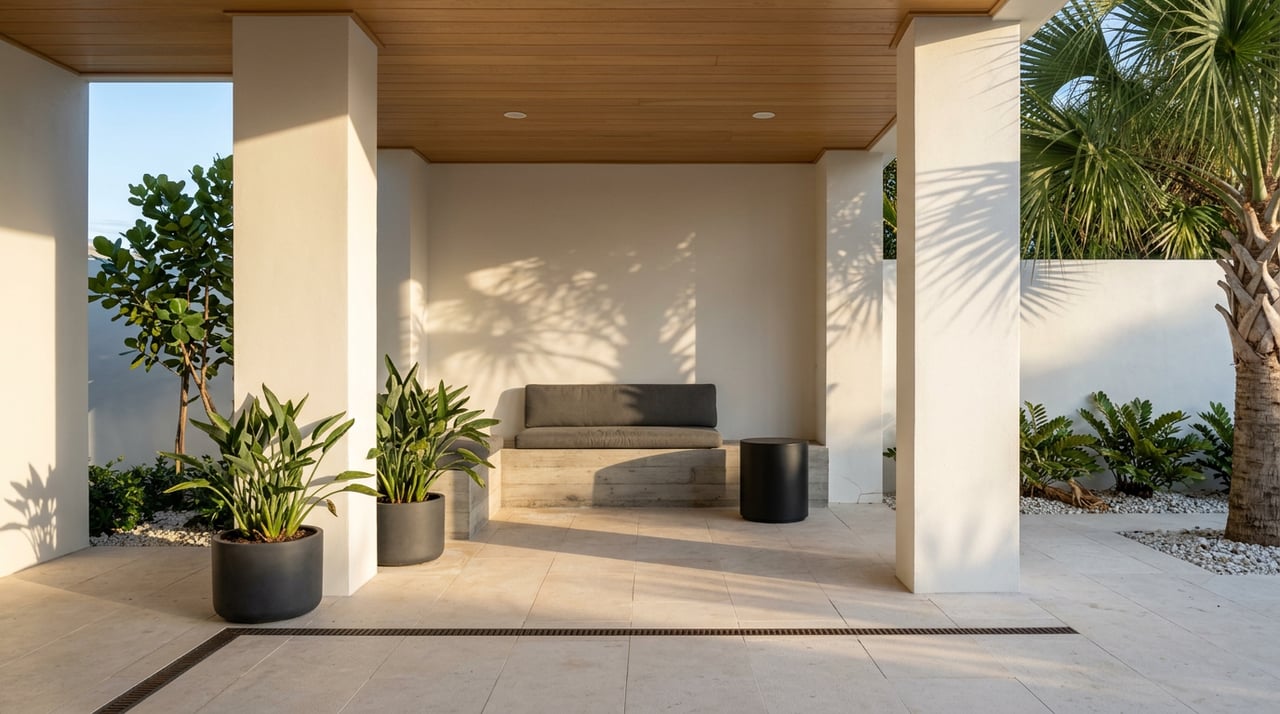
Seawall or bulkhead integrity, drainage performance, and the overall usability of outdoor living spaces can have a major impact on buyer perception. If a waterfront buyer sees signs of erosion, standing water, unstable hardscape, or shoreline concerns, they may start discounting value immediately.
You do not always need a major rebuild before listing. But you do need a clear understanding of what is cosmetic, what is functional, and what may need to be disclosed or documented.
Some Sarasota coastal properties are subject to added construction controls. Florida’s Coastal Construction Control Line program regulates construction and excavation seaward of the control line unless exempt. If your property is near the beach, certain repair or improvement plans may face design or siting limits.
This is one reason a pre-listing renovation roadmap should be built before contractors start work. It helps you avoid sinking money into plans that may be delayed, changed, or denied.
Kitchens and bathrooms still matter, especially when they feel visibly dated compared with the rest of the home. But on a waterfront listing, they usually come after the basics.
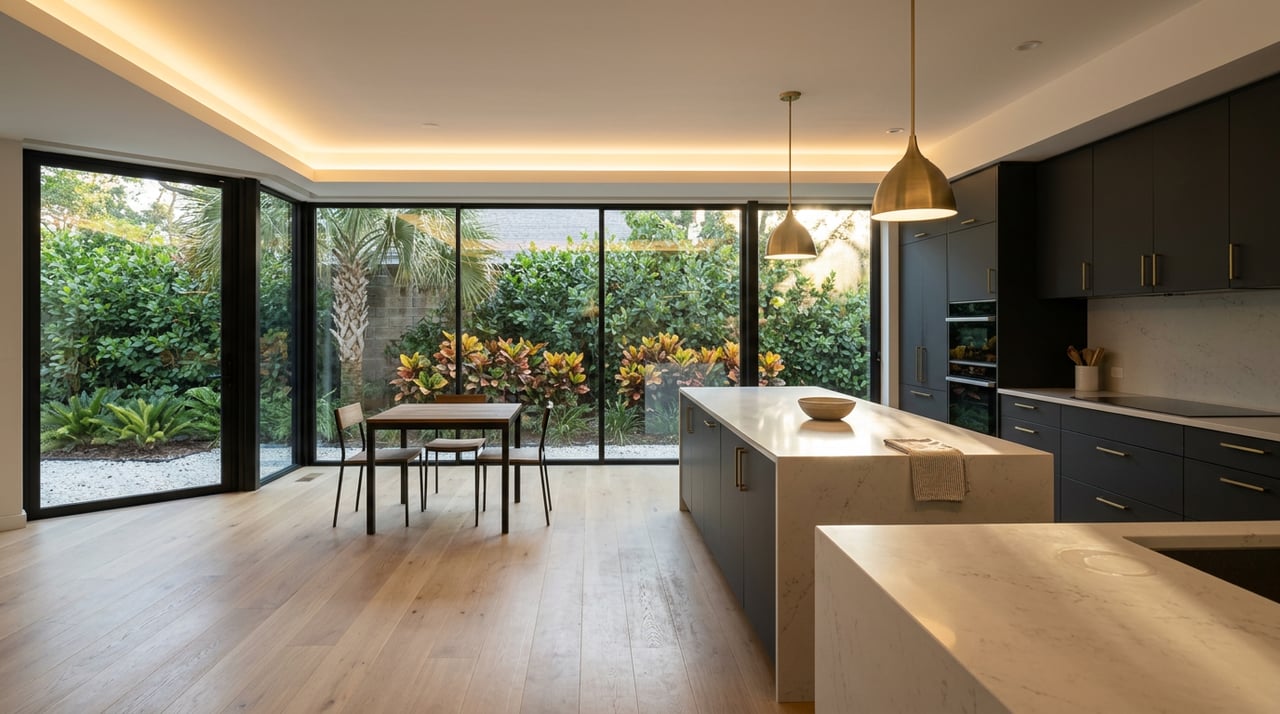
If your kitchen or bath is clean, functional, and in line with the home’s overall presentation, a cosmetic refresh is often enough. Think paint, updated hardware, lighting, fixtures, and staging-friendly improvements that make the space feel brighter and more current.
This approach aligns with both buyer behavior and return data. Zonda’s 2025 report identified a minor kitchen remodel as the only interior project in the top five by recouped cost, which supports a measured approach over a full custom renovation in many pre-sale situations.
A larger kitchen or bath project may make sense if the space reads as a clear liability. Examples include heavy wear, visible damage, layouts that hurt usability, or finishes that make the whole home feel behind the market.
The key is to solve a problem buyers will not ignore. The goal is not to build your dream kitchen before moving. It is to remove an obstacle that could slow offers, trigger objections, or drag down your final price.
For Sarasota waterfront homes, flood-related details are not background issues. They are central to pricing, insurance, and buyer comfort.
Sarasota County notes that FEMA issued new flood maps on March 27, 2024, and those maps can affect insurance requirements and premiums. The county also explains that Special Flood Hazard Areas include Zones V, VE, A, AE, AH, AO, and Coastal A. Flood insurance is required for buildings in a Special Flood Hazard Area when there is a federally backed mortgage.
Sellers should also remember that Sarasota County states all of Florida is in a flood zone, and standard homeowners insurance does not cover flood damage. If your listing will attract financed buyers, having your flood-related information ready can reduce friction during due diligence.
This is one of the most important planning points for waterfront sellers. Sarasota County’s flood guidance says that if the cost of restoring or improving a structure equals or exceeds 50% of the market value or replacement cost, the home may need to be brought into compliance by elevating the structure and equipment to the base flood elevation plus freeboard.
In plain terms, a project that starts as a pre-listing update can become a much larger compliance job if the scope gets too big. That is why disciplined budgeting and scope control matter so much on waterfront homes.
Sarasota County is using the 8th Edition 2023 Florida Building Code. The county also notes that exterior appliances such as HVAC units located in a flood zone and damaged by flooding must be elevated when replaced.
That means system updates are not always simple swaps. If you are replacing major components, make sure you understand whether the work could trigger additional code-related costs.
A waterfront home shows better when the documentation is as strong as the presentation. Buyers want fewer surprises, especially when insurance, permitting, and shoreline features are involved.
Florida law requires a residential flood disclosure to be completed and provided to a purchaser at or before contract execution. The disclosure asks whether you have filed flood-related insurance claims and whether you have received federal flood assistance.
Florida’s brokerage law also requires disclosure of known facts that materially affect value and are not readily observable. For a waterfront seller, that makes honest, organized pre-listing preparation especially important.
Closed permits, dock approvals, shoreline-related paperwork, and any other relevant municipal or state records should be organized before your home goes live. A clean paper trail can help your property feel more move-in ready and reduce the chance that buyers get cold feet during inspections.
This is especially helpful when past work involved regulated waterfront elements. Buyers tend to feel more comfortable when they can see that improvements were properly handled.
If you complete roofing, impact protection, or other hardening improvements, do not stop at the installation. Florida insurance regulators say consumers can save on windstorm premiums through mitigation improvements, and insurers must accept a valid Uniform Mitigation Verification Inspection Form.
The current form, OIR-B1-1802, was updated effective April 1, 2026, and is valid for up to five years if no material changes are made to the structure. For sellers, that documentation can become part of the value story.
If you want a simple framework, start by separating projects into three buckets: must-fix, nice-to-refresh, and not worth doing before list.
The best pre-listing renovations for a Sarasota waterfront home are usually the ones that make the property feel well maintained, easy to understand, and easier to insure. In many cases, that means a light but strategic tune-up, not a headline-grabbing remodel.
With the right roadmap, you can improve presentation, protect your budget, and avoid project decisions that create more risk than value. If you want expert guidance on which updates are worth doing before your home hits the market, The Michelle Ward Group brings construction-informed advice, concierge-level service, and Sarasota waterfront expertise to every step of the selling process.
Stay up to date on the latest real estate trends.
The Michelle Ward Group is constantly building its reputation, which is critical to buyers and sellers of real estate. Michelle Ward Group is a well-experienced team that consistently delivers the results the most affluent home buyers and sellers demand.