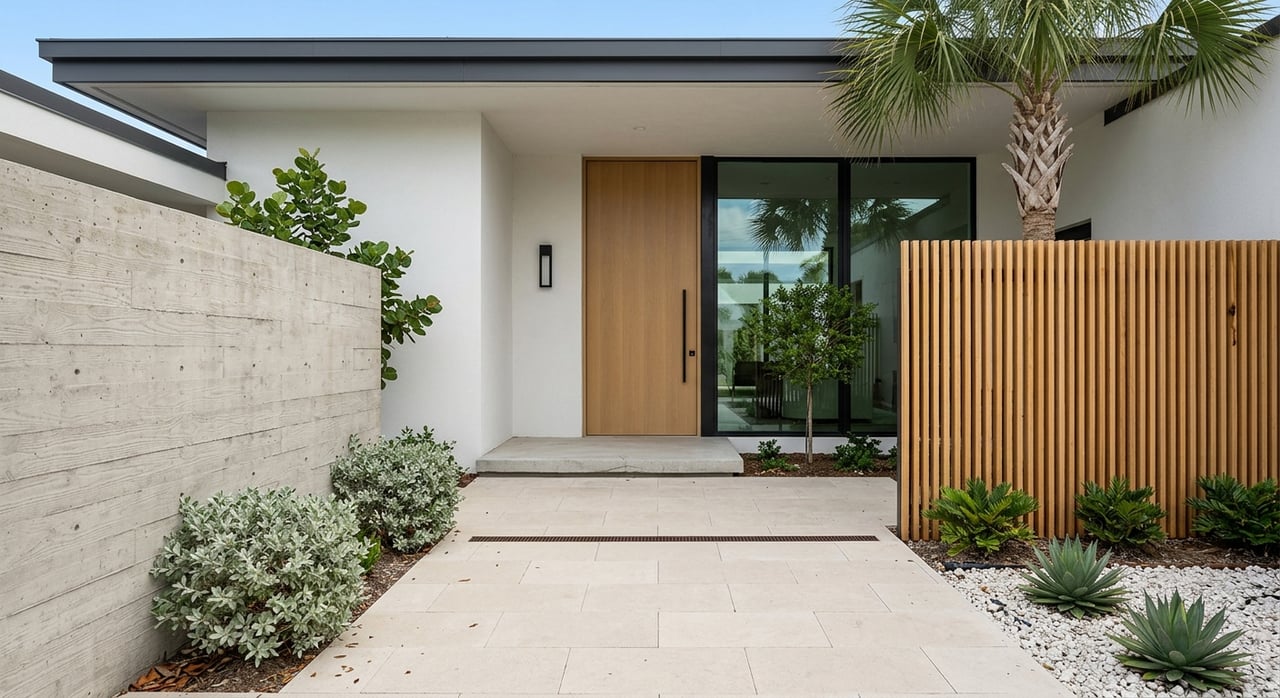
Siesta Key Second Home Buying for Midwest Buyers
May 28, 2026
May 28, 2026
Dreaming about trading a Midwest winter for white sand and Gulf breezes? Buying a second home in Siesta Key can absolutely deliver that lifestyle, but this market comes with rules and realities that are different from what many out-of-state buyers expect. If you want a purchase that feels easy now and stays smart later, you need to understand zoning, flood exposure, condo documents, and ongoing ownership costs before you start touring. Let’s dive in.
Before you compare floor plans or beach access, get clear on your intended use. In Siesta Key, that decision shapes almost everything from property type to rental flexibility to long-term costs.
Sarasota County treats short-term rental rights on barrier islands differently than many buyers assume. The county says homes may generally be leased for 30 days or more, but on the barrier islands only RMF properties may be rented for less than 30 days. If you think you may want seasonal rental income, zoning needs to be checked before you make an offer, not after you fall in love with a property.
That matters because two homes with similar price points can offer very different ownership options. One may fit your personal-use goals perfectly, while another may better match a plan that includes occasional rental income.
When you answer those questions first, your search becomes much more efficient.
Most Midwest second-home buyers narrow the search to three categories: condos, villas or townhomes, and single-family homes. Each option can work well, but the right fit depends on how hands-on you want to be.
Condos often appeal to second-home buyers because they can feel more turnkey. If your goal is to arrive, unpack, and enjoy Siesta Key with less maintenance responsibility, a condo may be the simplest path.
That said, condo due diligence in Florida is not something to rush. Florida law requires buyers to receive key association materials early, including the declaration, articles of incorporation, bylaws and rules, annual financial statement, annual budget, FAQ, and when applicable, milestone inspection and structural integrity reserve study documents.
For older coastal buildings, these documents matter even more. Florida requires milestone inspections for buildings that are three habitable stories or more at 30 years old and every 10 years after that, with earlier timing possible in areas near salt water.
Florida also requires structural integrity reserve studies for qualifying associations, and those studies cover major building components such as the roof, structure, plumbing, electrical, waterproofing, exterior painting, and windows and exterior doors. If you are buying remotely, getting these materials early gives you time to review the true ownership picture before key deadlines.
Villas and townhomes can offer a balance between convenience and privacy. You may get less maintenance than a single-family home, while still enjoying a more residential layout than many condos provide.
These properties can be a strong fit if you want some outdoor space or a more home-like feel without taking on the full upkeep of a detached coastal property. As with condos, you still need to review any community rules carefully if rental use is part of your plan.
Single-family homes can offer more privacy, more room, and more freedom for design updates. They also tend to require a more active ownership approach, especially in a coastal environment.
If you are considering light renovation or value-add work after closing, Sarasota County says construction or repair may require a permit to comply with the Florida Building Code. That makes permit history and renovation feasibility part of your purchase review, not just a post-closing detail.
For buyers who like the idea of improving a property over time, this is where construction-informed guidance becomes especially valuable. A home may look like a great opportunity online, but the better question is whether the updates you want are realistic, permitted, and worth the investment.
In Siesta Key, flood due diligence is not optional. Sarasota County updated its FEMA flood maps on March 27, 2024, and the county says the new maps can affect insurance requirements and premiums.
The county also notes that flood insurance is required for residential and commercial buildings in Special Flood Hazard Areas when a federally backed mortgage is involved. For many financed buyers, that means flood exposure can directly affect monthly ownership costs.
This is one of the biggest differences between buying a second home in coastal Florida and buying in many Midwest markets. A property’s view, beach access, or location may be what draws you in, but flood zone status helps determine what ownership will feel like year after year.
When you are shopping from out of state, it is easy to focus on photos and lifestyle first. In Siesta Key, flood mapping and insurance should sit near the top of your checklist right alongside price and condition.
A smart search balances the emotional side of the purchase with practical ownership math. That is often the difference between a beautiful second home and a truly workable one.
Many second-home buyers are surprised by how Florida tax treatment works. A Siesta Key second home generally will not qualify for Florida homestead because Sarasota County says homestead requires Florida permanent residence and occupancy as the owner’s permanent residence.
In practical terms, you should budget as a non-homestead owner. It is better to plan with that reality upfront than to assume your tax picture will improve later through a homestead exemption that likely will not apply.
Florida’s property tax calendar is also worth understanding early. Taxes are based on January 1 values, bills are sent in November, discounts apply if paid early, and unpaid taxes become delinquent on April 1.
The county tax calendar shows these early-payment discounts:
If you buy during the year, there is usually a proration at closing. For remote owners who pay directly instead of through escrow, this annual schedule becomes part of your regular ownership routine.
Your purchase budget should also include Florida documentary stamp taxes. Florida charges 70 cents per $100 of consideration on deeds and 35 cents per $100 on notes and mortgages, with no cap on the mortgage-side tax.
Those costs are easy to overlook if you are comparing a Florida purchase to a Midwest transaction. Building them into your budget early helps avoid surprises.
If your second-home plan includes occasional renting, Siesta Key requires extra caution. On barrier islands, Sarasota County says only RMF properties may be rented for less than 30 days.
That means rental potential is not just about demand or location. It depends on zoning and, in many cases, community or association rules too.
Sarasota County’s tax brochure also says that if a property is available to rent for six months or less, Tourist Development Tax must be collected. Even if the property is mainly for your own use, rental intent needs to be reviewed carefully before you move forward.
This is one area where buyers benefit from a very direct strategy. Decide what flexibility you need, verify that the property allows it, and only then move into pricing and negotiations.
The good news for Midwest buyers is that remote closings are very possible in Florida. Florida law allows online notarization without everyone being in the same physical location, and Sarasota County Clerk says qualifying documents can be recorded by e-recording, by mail, or in person.
That creates a much smoother path for second-home buyers who do not want repeated long-distance travel. In many cases, your process can be organized around focused visits instead of multiple back-and-forth trips.
A practical pattern is often one trip for touring, one for inspections or due diligence, and a final walkthrough if needed. That is not a legal requirement, but it is a useful way to think about an efficient remote purchase.
Remote ownership also means taking a few simple protective steps. Sarasota County Clerk offers a free Property Fraud Alert service that sends notice within 24 hours whenever a document is recorded in Sarasota County using a registered name.
For absentee owners, that is a smart tool to set up early. It adds one more layer of oversight once your purchase is complete.
The best Siesta Key second-home purchases are usually not the ones that photograph best online. They are the ones where intended use, flood exposure, ownership structure, condo governance, and maintenance expectations all line up before the search gets too far.
That is especially true if you are buying from Chicago or elsewhere in the Midwest. You want a home that works for your winter lifestyle, your budget, and your long-term plans, not just for your first weekend in town.
With the right guidance, you can narrow the field quickly, avoid preventable surprises, and focus on properties that truly fit how you want to live. If you are planning your move from the Midwest to Siesta Key, The Michelle Ward Group can help you evaluate the right property type, spot the details that matter, and navigate the process with confidence.
Stay up to date on the latest real estate trends.
The Michelle Ward Group is constantly building its reputation, which is critical to buyers and sellers of real estate. Michelle Ward Group is a well-experienced team that consistently delivers the results the most affluent home buyers and sellers demand.