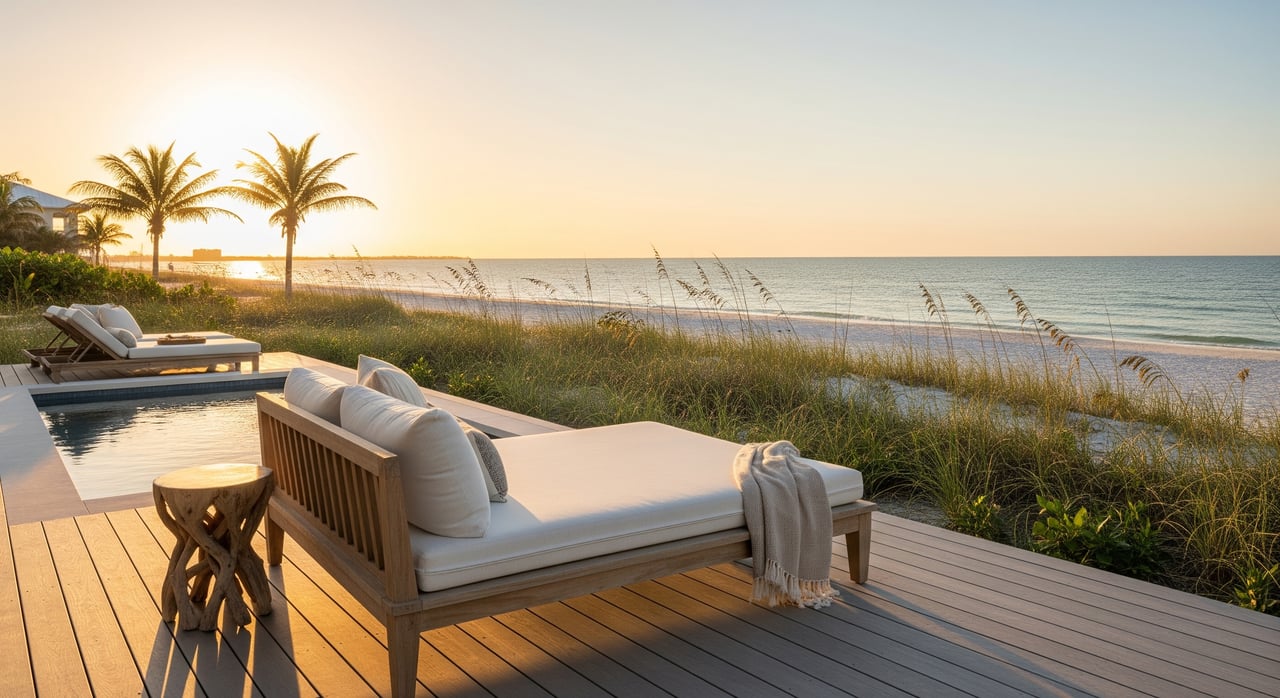
What Living on Siesta Key Is Really Like
February 12, 2026
February 12, 2026
Dreaming of trading icy mornings for sunrise walks on very fine, light-colored sand? If you are a Midwestern snowbird or second-home shopper, Siesta Key offers a relaxed island rhythm with easy access to Sarasota’s culture and services. You want the real picture of daily life, season by season, plus the tradeoffs to plan for. This guide gives you a grounded view of neighborhoods, transportation, recreation, regulations, and ownership considerations so you can decide if Siesta Key fits your lifestyle. Let’s dive in.
Siesta Key is a barrier island in Sarasota County, facing the Gulf of Mexico to the west and Little Sarasota Bay and Roberts Bay to the east. Three bridges connect the island to the mainland, which keeps you close to Sarasota’s hospitals, major shopping, cultural venues, and the regional airport. The island’s heart is Siesta Beach on the northwest side, a social hub for walkers, families, and sunset watchers.
You will find a mix of full-time residents, seasonal snowbirds, vacation renters, and second-home owners. Housing ranges from high-rise condos near the beach to quieter single-family neighborhoods and waterfront estates on the bays. Most residents rely on Sarasota for specialty services, big-box retail, and medical specialists.
The climate is subtropical. Winters are generally mild and drier, while summers are hotter, more humid, and wetter. Peak visitor season is roughly November through April, when many Midwesterners arrive for sunshine and comfortable temperatures.
Spring brings extra crowds, especially during spring break. Summer is quieter for snowbirds and can be a good time to find deals on rentals or plan property tours, though afternoon thunderstorms are common. Hurricane season runs from June 1 to November 30, so year-round owners and seasonal residents should plan for insurance, storm prep, and communication with property managers.
Siesta Beach anchors daily life, with public amenities like bathrooms, picnic areas, and lifeguards in season. The vibe skews relaxed rather than high-energy nightlife, and Siesta Key Village concentrates casual restaurants, seafood spots, shops, and a handful of bars and live-music venues.
Grocery options on the island are limited to small markets and convenience stores. For full-service supermarkets, specialty shops, and big-box retailers, you will make short mainland trips. Primary and urgent care options are nearby, while major hospitals and specialist care are in Sarasota.
If you live near Siesta Key Village or the public beach, you can walk to dining and daily conveniences. In many other areas, a car, bike, or golf cart is more practical for errands. Sidewalks and bike lanes exist in parts of the island but are not universal.
Public transit is available but limited compared with larger cities. Seasonal traffic and parking pressure are common near the beach and in the Village, especially on weekends and holidays. Because the island relies on a few bridges, expect occasional bottlenecks during peak times and special events.
Close to the main public beach and the Village’s dining and shops, this zone feels lively and walkable. You will find mid- to high-rise condos, low-rise complexes, and some single-family homes. Expect more activity in peak season, plus shorter walks to sunset gatherings and beach volleyball.
Running south from the main beach, Crescent Beach blends condo communities and beachfront access with a quieter feel as you move away from the Village. Point of Rocks, known for snorkeling in rocky areas, sits at the southern end. Daily life runs on beach time, with quick hops to the mainland for larger errands.
On the south end, Turtle Beach offers a more laid-back environment with access to the bay and the Gulf. The area suits boaters, paddlers, and those who prefer a lower-density setting. Seasonal rhythms are still a factor, but the pace tends to be calmer than the Village core.
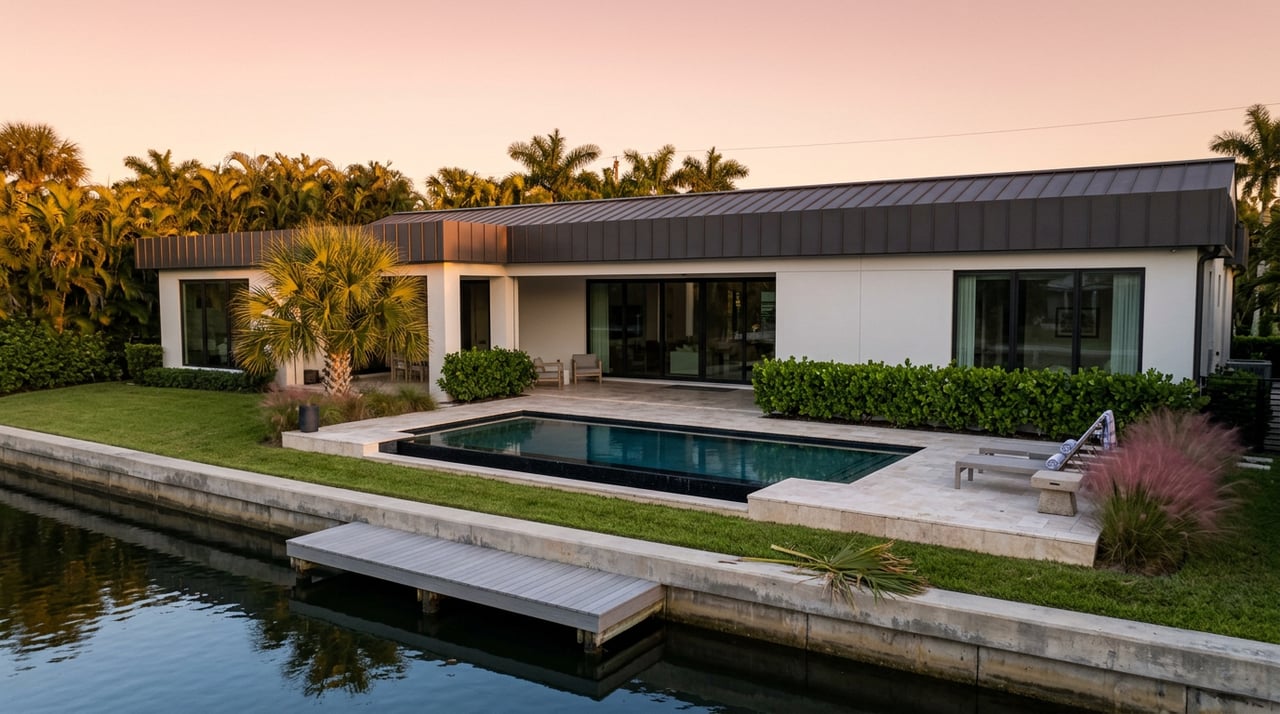
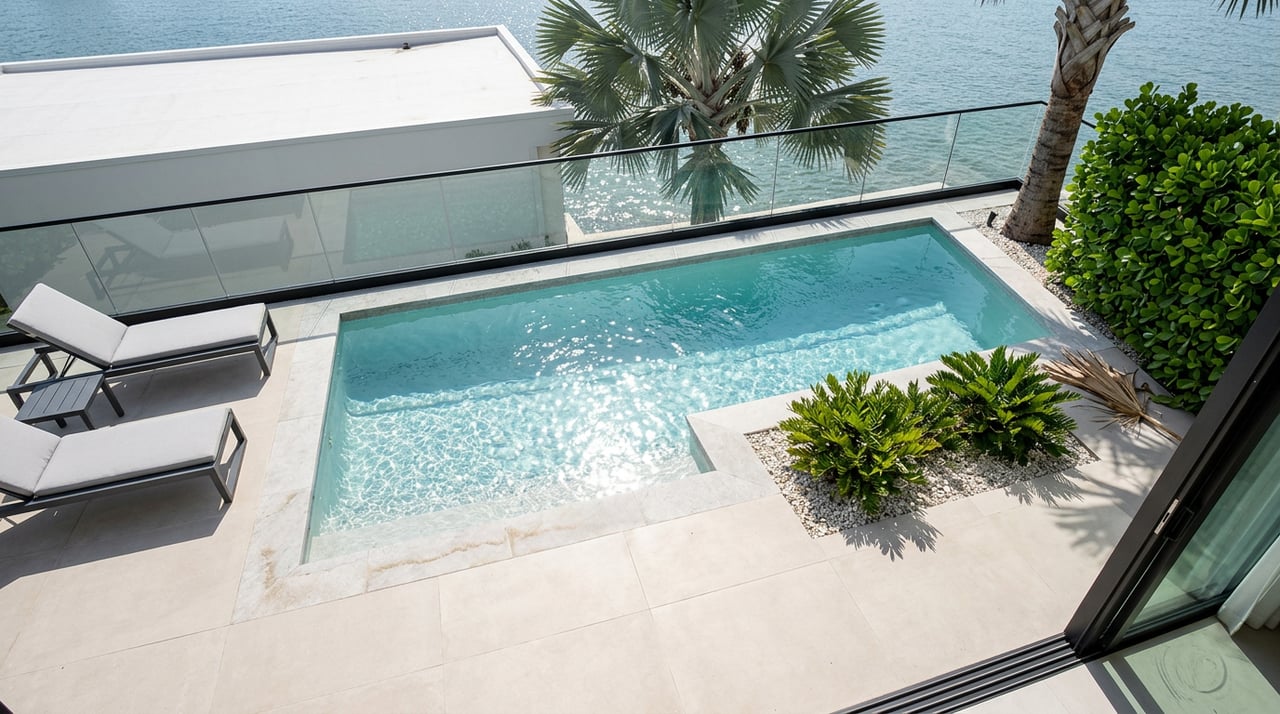
Gulfside homes and condos put you steps from the beach and sunsets. Bayside properties often feature calmer waters for kayaking and paddleboarding, plus opportunities for docks and boating access. Your choice comes down to whether you prioritize beach proximity, boating, views, or a balance of both.
You can swim, sunbathe, play beach volleyball, and join yoga sessions at Siesta Beach. Snorkelers explore rocky pockets around Point of Rocks, while paddlers and kayakers enjoy the calmer, shallow waters of the bays and the Intracoastal Waterway. Local fishing options range from charters to private boating for inshore and offshore trips.
Sea turtle nesting season typically runs spring through fall, which brings nighttime lighting rules and nesting protections along the beachfront. Water quality and algal conditions, including red tide, are monitored by state and local agencies, and advisories may occur at times. Beach nourishment and dune restoration are part of ongoing coastal management, and building near dunes follows protective regulations.
Boaters access the Gulf through tidal passes, and local knowledge helps with currents and sandbars. Marinas and public boat ramps sit on the mainland and at select island locations, which many residents use for launching and storage.
From November through April, restaurants often extend hours, and the island hums with seasonal residents and visitors. Spring brings extra energy due to spring break, so plan ahead for parking and reservations. Summer is hotter, quieter for snowbirds, and more budget-friendly for certain rentals; some businesses reduce hours.
Signature gatherings include the long-running weekly Siesta Key Drum Circle at sunset on Siesta Beach and the Siesta Key Crystal Classic, a professional sand-sculpting event typically held at the public beach. You will also find farmers markets, live music nights, and village events. Nearby Sarasota adds a full calendar of cultural programming across museums, theaters, and music venues.
Island homes generally command a premium over nearby mainland neighborhoods due to beach proximity and waterfront access. Housing choices include beachfront and waterfront single-family homes, mid- and high-rise condos, and low-rise complexes. Inventory and pricing can ebb and flow with seasonality and broader Florida and national trends.
Short-term vacation rentals are a major part of the local economy. Demand peaks in winter, and rules can change, so verify Sarasota County and state requirements on permitting, transient rental taxes, parking, noise, and occupancy before you buy. If you plan to hold a property as a rental, build compliance and tax planning into your underwriting.
Because the island is in a hurricane-prone region, most owners consider wind and flood insurance, plus a storm plan and evacuation awareness. Insurance costs and availability have been shifting across Florida, so check current quotes early in your search. Property taxes follow Sarasota County schedules, and utilities vary by location.
Here is a quick, candid view to help you decide:
Pros
Considerations
If you are weighing a winter escape, a lock-and-leave condo, or a long-term move, you deserve clear advice and a smooth process. With deep experience across Siesta Key and Sarasota and a strong Midwest connection, The Michelle Ward Group pairs lifestyle guidance with construction-informed insight to help you buy or sell with confidence. From renovation and staging advice to concierge-enabled marketing, we focus on outcomes and a stress-free experience. Ready to explore Siesta Key living? Connect with The Michelle Ward Group to get tailored guidance and next steps.
Stay up to date on the latest real estate trends.
The Michelle Ward Group is constantly building its reputation, which is critical to buyers and sellers of real estate. Michelle Ward Group is a well-experienced team that consistently delivers the results the most affluent home buyers and sellers demand.