Thinking about selling your Riverside home as-is but not sure if it is the right move? You are not alone. Many owners in 60546 weigh speed and simplicity against price and risk, especially with older or historic properties. In this guide, you will learn what as-is really means in Illinois, how it plays out with Riverside’s historic character and local rules, who your likely buyers are, and a clear way to compare your net proceeds with or without repairs. Let’s dive in.
What “as-is” really means in Illinois
Selling as-is means you are offering the property in its current condition and do not plan to complete repairs requested after inspections unless you agree otherwise. Buyers may still conduct inspections, and most contracts include inspection contingencies unless waived by the buyer.
It is important to know that as-is is not a liability shield. In Illinois, you must still disclose known material defects truthfully on the required disclosure forms. If you know about issues and do not disclose them, you can face post-closing claims. A well-drafted contract or addendum can outline what you will and will not do, but it does not replace honest, complete disclosures.
Riverside context: Historic homes and local nuances
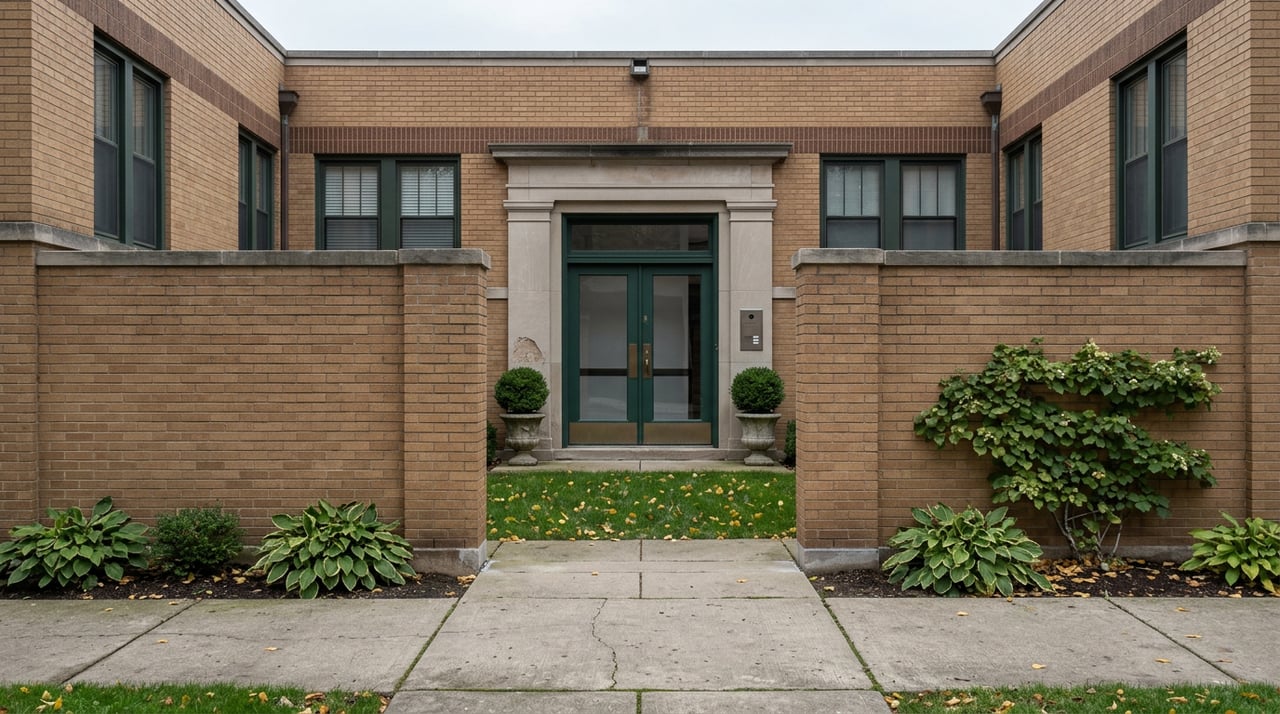
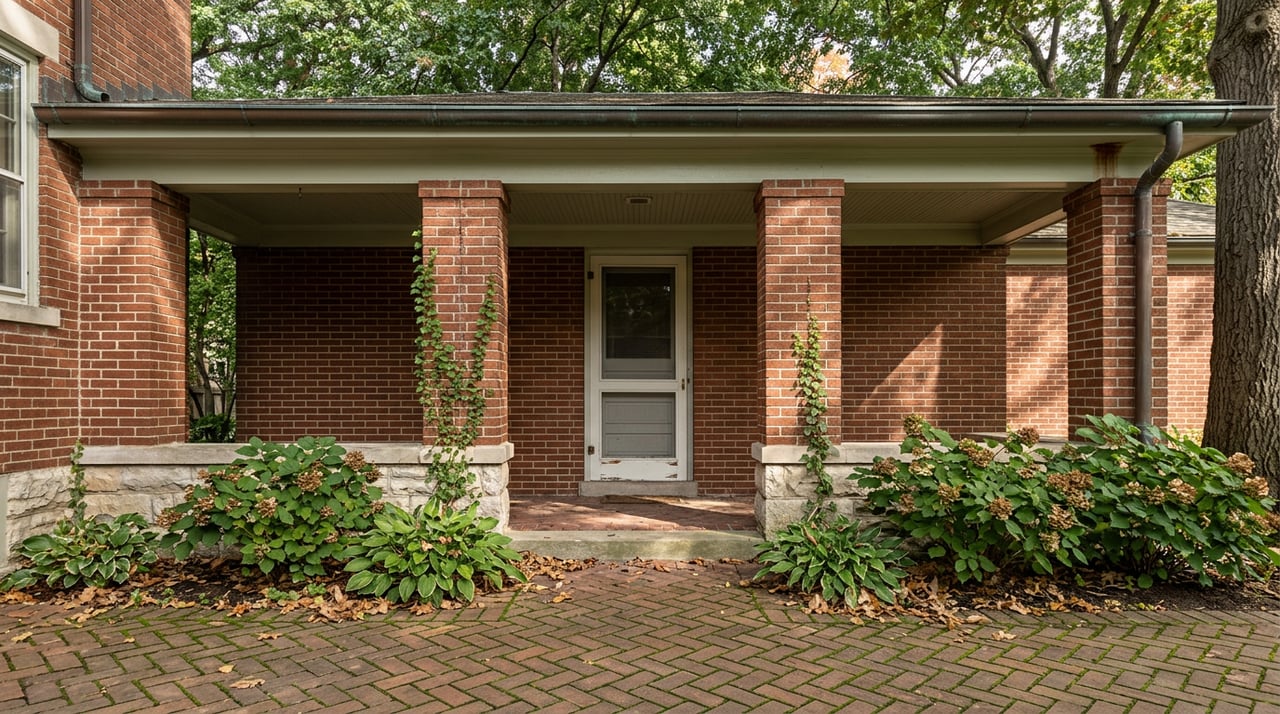
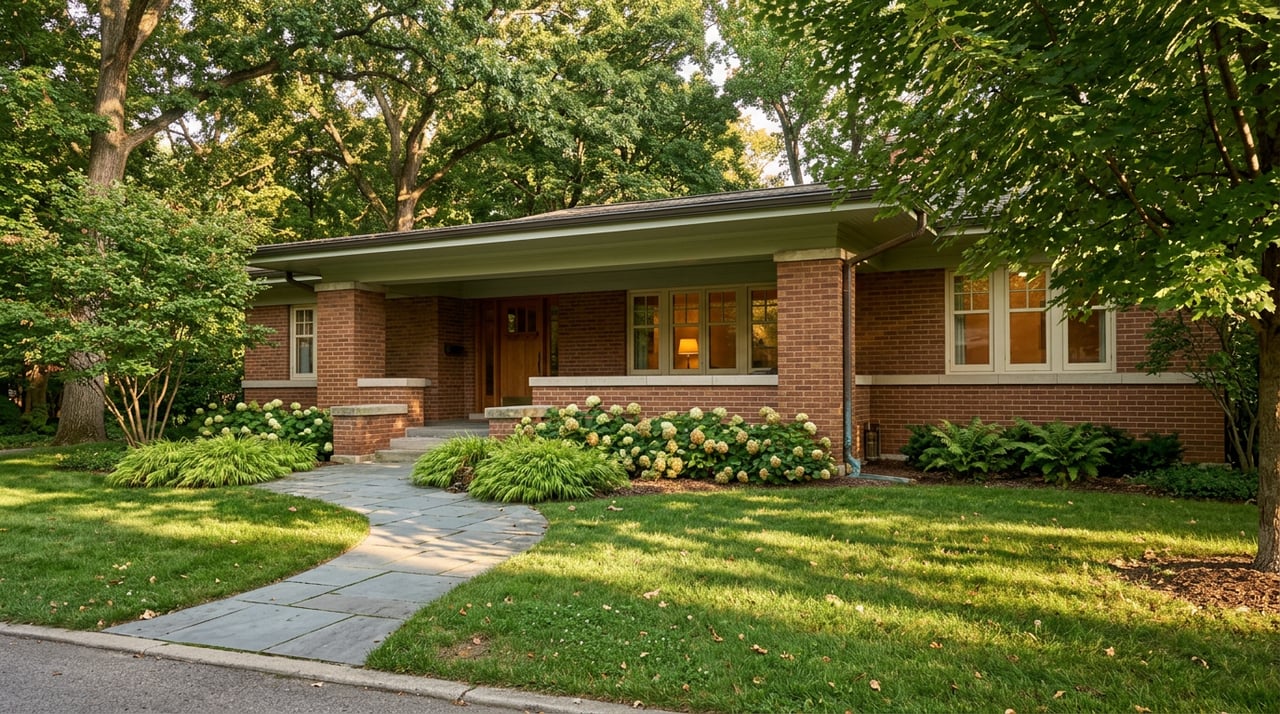
Riverside is known for its historic character and established housing stock. That charm also brings practical considerations when selling as-is:
- Historic district oversight: Exterior changes may be subject to design review and approvals. Buyers will factor future renovation requirements into their offers.
- Permits and past work: Unpermitted work is a common hurdle. Compile your permit history, receipts, and contractor details so buyers can verify what was done and when.
- Floodplain and environmental checks: Some properties are near the Des Plaines River and may sit in regulated flood zones. Flood insurance and disclosure requirements can affect financing and buyer demand. Pre-1978 homes may trigger lead-based paint disclosures, and any known environmental conditions should be addressed in your disclosures.
These items do not prevent an as-is sale, but they influence buyer confidence, financing options, and price.
Legal musts you cannot skip
Illinois requires sellers to complete disclosure forms accurately and to disclose known material defects. When in doubt, disclose. It is also wise to consult your real estate attorney or your agent for guidance on the exact statutory language and any exemptions. Contracts often include protections such as as-is clauses, disclaimers of warranty, contingency terms, and sometimes escrow holdbacks. Clear language helps set expectations and limits the chance of disputes later.
Who buys as-is in Riverside
Your buyer pool shapes both price and speed:
- Cash investors and flippers: They can close quickly with fewer contingencies, but will offer a lower price for convenience and risk.
- Renovation-minded buyers: Some owner-occupants or investors will take on projects if the price reflects the work needed.
- Conventional loan buyers: These buyers can often proceed with an as-is purchase, though the appraisal must support the value given the condition.
- FHA or VA buyers: These loans have minimum property standards. Heavily distressed homes can be difficult for these buyers unless you address key repairs or structure a solution like an escrow holdback where allowed.
In a strong seller’s market with limited inventory, you may see better as-is outcomes, including shorter days on market. In a softer market, buyers push harder on price to cover repair risk.
Financing and appraisal realities
Even if a buyer is comfortable with the condition, their lender will evaluate the home’s value and safety. Major issues can reduce appraised value or trigger required repairs. Conventional loans tend to be more flexible than FHA or VA when condition is a concern. Cash buyers avoid lender hurdles altogether, but their offers typically price in a bigger discount.
Decide: Repair or sell as-is
Use a simple, numbers-first approach to reach a confident decision.
- Get a pre-listing inspection
- Hire a licensed home inspector to identify significant issues. This removes surprises later and helps you disclose accurately.
- Get repair estimates
- Request two to three bids for big-ticket items like roof, HVAC, electrical, foundation, and major cosmetic work.
- Ask your agent for two pricing scenarios
- Scenario A: Expected sale price if you complete key repairs.
- Scenario B: Expected sale price if you sell strictly as-is.
- Compare net proceeds for each scenario
- Net Proceeds = Expected Sale Price − Estimated Repair Cost − Selling Costs − Remaining Mortgage/Payoffs − Carrying Costs − Cost of Delay.
- Consider the time to complete repairs, market timing, and risk of re-negotiation after inspections.
- Decide based on money, speed, and risk
- Small, high-ROI fixes like paint, deep cleaning, and curb appeal often boost price and reduce time on market.
- Major issues with low ROI, such as structural problems or mold remediation, may lean toward an as-is sale to an investor.
Smart alternatives to a full renovation
You have options if a full rehab is not in the cards.
- Selective repairs: Address safety or lender red flags like leaks or electrical hazards, then sell otherwise as-is.
- Price reduction or repair credit: Price the home to reflect its condition or offer a credit to offset buyer repairs.
- Escrow holdback: Set aside funds at closing for targeted repairs post-close when lender guidelines allow.
- Investor sale: Accept a lower price in exchange for fewer contingencies and a faster, more predictable close.
Pre-listing checklist for as-is success
- Pre-listing inspection: Know your issues and disclose them up front.
- Contractor bids: Price your options with real numbers.
- Documentation file: Gather permits, receipts, past inspection reports, utility bills, surveys, and any claim history.
- Complete Illinois disclosures: Fill out required forms accurately and thoroughly.
- Quick wins: Declutter, deep clean, and consider low-cost neutral paint to improve first impressions.
- Marketing plan: Highlight potential and character while being clear about as-is terms and full disclosures.
Negotiation tips that protect your bottom line
- Be clear in the listing: State that the home is sold as-is, inspections are allowed, and full disclosures are provided. Note any repairs you completed or credits you will consider.
- Define your limits: Set a walk-away threshold and a credit cap before you go live. Share these boundaries with your agent.
- Tighten contract language: Specify which inspections are permitted and what is excluded from the sale. If applicable, consider a home warranty as a buyer confidence boost.
- Vet investor offers: Request proof of funds and references. Favor shorter attorney review periods and limited contingencies.
- Plan for appraisals: If the buyer is financing, anticipate how condition could affect value and prepare comparable sales that reflect Riverside homes of similar age and condition.
Riverside-specific checks before you list
- Village and historic rules: Confirm if your property is within a designated historic area and whether past exterior work required approvals. Having clarity upfront helps buyers underwrite their future plans.
- Permit history: Verify permits through the Village of Riverside and Cook County records for major past work. Address unpermitted work with disclosures or corrective steps.
- Flood and environmental: Review floodplain maps and identify if flood insurance is required. Disclose any known environmental conditions such as oil tanks, mold, or lead paint in pre-1978 homes.
- MLS comparables: Use Riverside and adjacent neighborhood comps with similar age and condition to price realistically.
When selling as-is is likely the best call
- The repair list is long, costly, and unlikely to deliver a strong return.
- You need a faster, more predictable close due to a relocation, estate, or change in plans.
- You prefer to avoid managing contractors or renovations.
- Investor demand for the lot, location, or architectural potential is strong.
When light updates could pay off
- The home has deferred cosmetic updates, but systems and structure are sound.
- A small set of high-ROI fixes would expand your buyer pool and support conventional financing.
- You can complete targeted repairs quickly and cost-effectively with limited disruption.
How our team helps you choose the right path
With construction and design expertise, we help you identify which improvements can raise your net proceeds and which you can skip. If light upgrades make sense, we can guide you through targeted projects and presentation that speak to Riverside buyers. If your priorities point to a clean as-is sale, we craft a strategy to maximize your price while minimizing risk through disclosures, smart positioning, and firm contract terms.
If you are considering updates before listing, ask about concierge-enabled options that can help fund pre-sale improvements with a streamlined process. The goal is simple: a better bottom line with less friction.
Ready to talk through your numbers and options for 60546? Reach out to The Michelle Ward Group for a clear plan tailored to your timeline, budget, and goals.
FAQs
What does “as-is” mean when selling a Riverside home?
- It means you are selling the property in its current condition and do not plan to make repairs after inspections, though you still must allow for required disclosures and any agreed inspections.
Do I still have to disclose defects in Illinois if I sell as-is?
- Yes, Illinois requires truthful disclosure of known material defects, and failing to disclose can create liability even in an as-is sale.
Can I sell an as-is Riverside home to FHA or VA buyers?
- It is possible, but FHA and VA loans require minimum property standards, so significant condition issues may need repairs or a different financing approach.
How do historic rules and permits affect an as-is sale in Riverside?
- Historic district oversight and permit status influence buyer confidence, renovation plans, and financing, so verify approvals and disclose the status of past work.
Should I get a pre-listing inspection before selling as-is in 60546?
- Yes, a pre-listing inspection helps you disclose accurately, price correctly, and avoid last-minute re-negotiations that can cost time and money.
What are my options if I do not want to renovate before selling?
- Consider selective repairs, a price reduction or credit, an escrow holdback when allowed, or a sale to a vetted investor for speed and certainty.