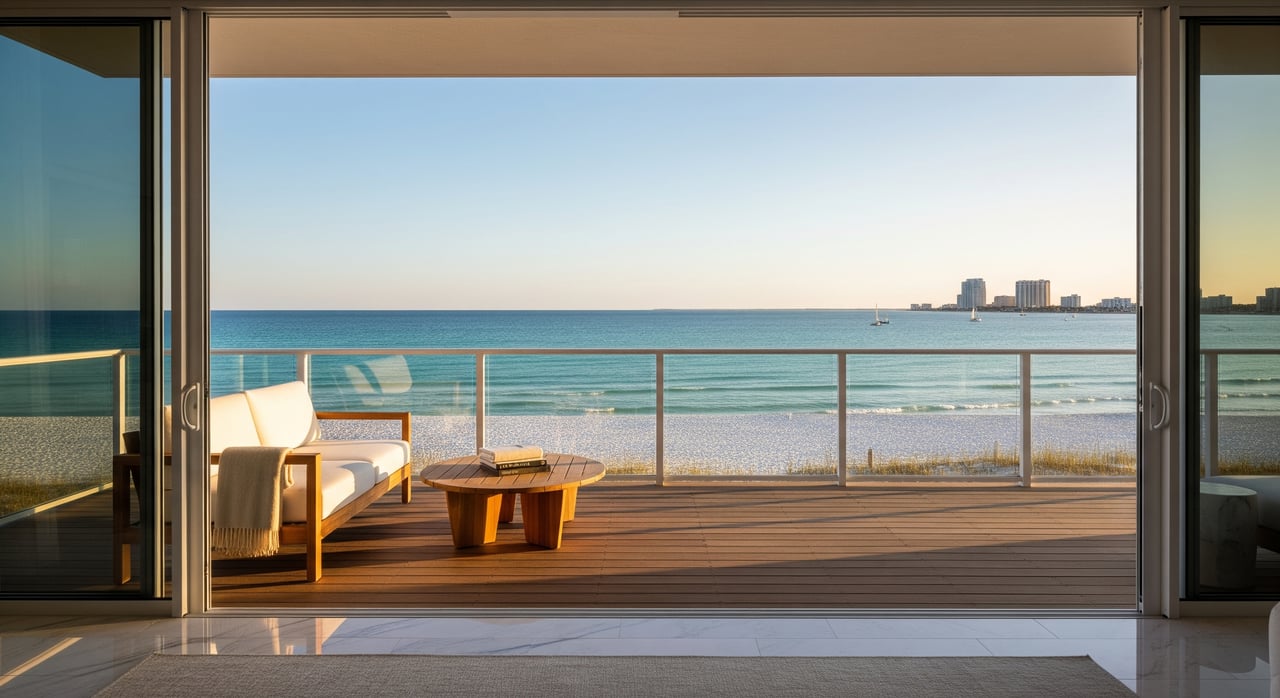
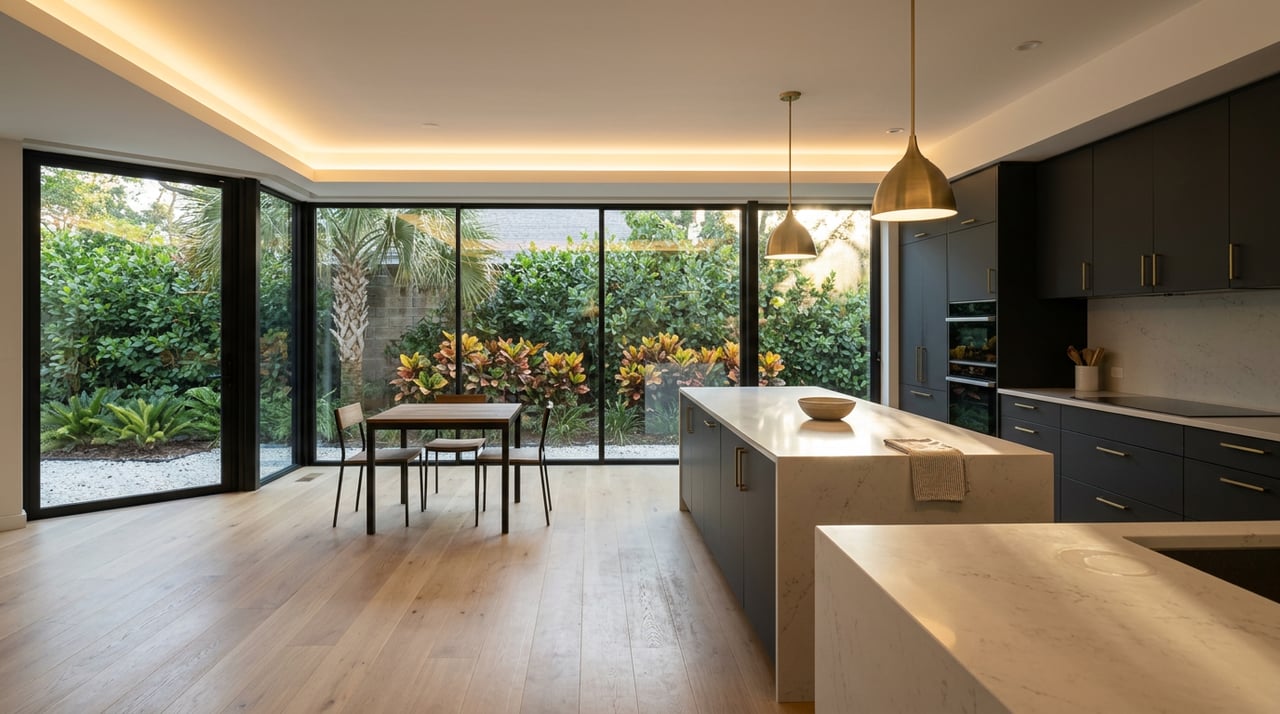
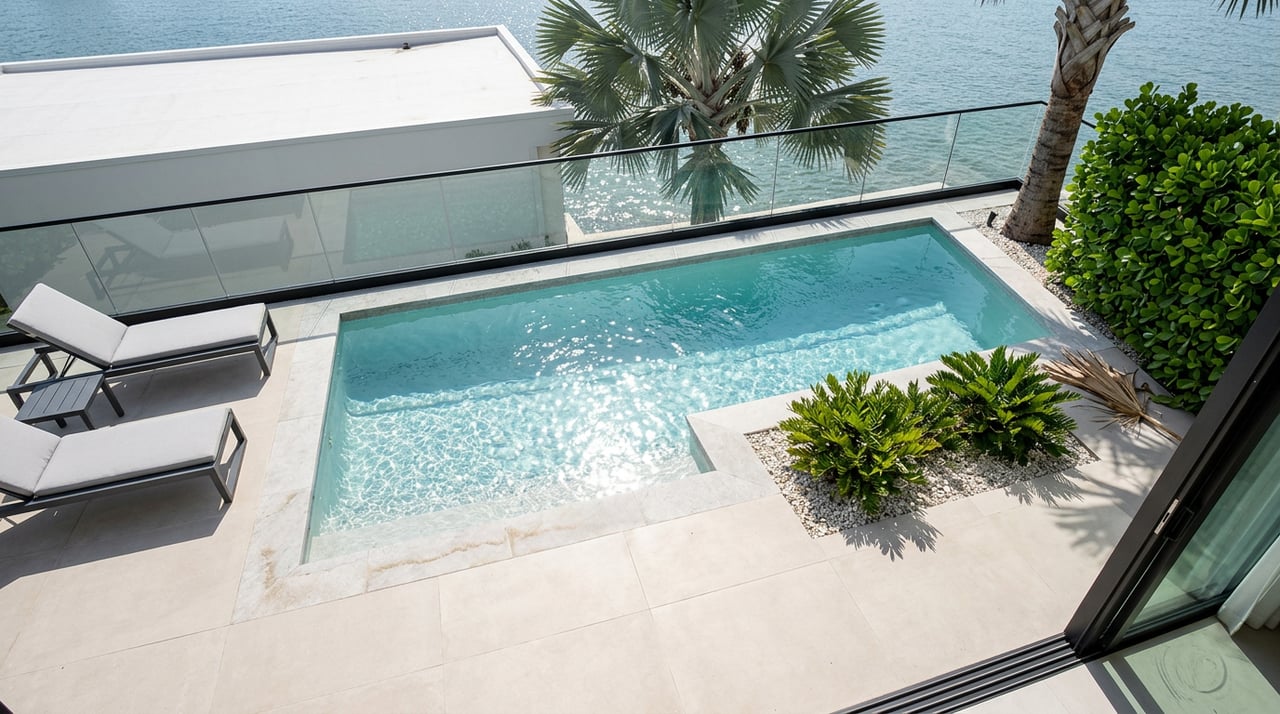
Craving a walkable beach lifestyle or the convenience of a vibrant city hub? If you are torn between a Siesta Key condo and a Sarasota mainland condo, you are not alone. Both offer real Florida living, yet they feel different day to day and have different financial and risk profiles. In this guide, you will get a clear, practical comparison to help you choose what fits your life, budget, and goals. Let’s dive in.
Quick matchup: who each option fits
Siesta Key may fit you if:
- You want direct or easy beach access and an island vibe.
- You plan to use the unit as a seasonal home or short-term rental and can handle seasonal swings.
- You accept higher coastal risk and potentially higher insurance and maintenance.
- You like walkable village areas and a strong dining and nightlife scene in season.
Sarasota (mainland) may fit you if:
- You want more condo choices across price points and building types.
- You value easy access to medical care, retail, schools, and cultural venues.
- You prefer steadier year-round rental demand or plan to live here full time.
- You want easier logistics for commuting, deliveries, and services.
Lifestyle and amenities
Access and walkability
- Siesta Key: Enjoy beach access and a pedestrian-friendly feel around Siesta Key Village. On-island grocery and medical options are limited, and you will cross bridges for most services.
- Sarasota mainland: You are closer to hospitals, major grocers, schools, employers, and a rich arts scene. Downtown and select neighborhoods offer strong walkability, with year-round events and venues.
Dining, culture, and pace
- Siesta Key: Tourism drives a lively restaurant and bar scene, with the biggest crowds in winter high season. Expect a more relaxed pace outside peak months.
- Sarasota mainland: A broader cultural calendar with theaters, galleries, and festivals runs year round. You get a consistent city vibe with easy access to everyday services.
Parking, storage, and boating
- Siesta Key: Some island buildings have tighter parking and limited storage. Select bayside complexes offer boat slips, and marinas are nearby.
- Sarasota mainland: Options range from high-rises with staffed garages to suburban-style complexes with surface parking. Boat access varies by location, especially along Sarasota Bay.
Market and inventory context
- Siesta Key: Inventory is limited. Many buildings are low to mid-rise, with a mix of beachfront, gulf-front, and bayside units. The smaller pool of properties can add pressure during high season and can influence time on market.
- Sarasota mainland: Inventory is more diverse. You will find downtown high-rises, luxury mid-rises, and suburban complexes across multiple neighborhoods. This variety creates more choice for different budgets and lifestyles.
For current statistics, consult your agent for Stellar MLS comps and local reports from the Realtor Association of Sarasota and Manatee. You can review current market snapshots through the association’s site for context on inventory and days on market. See the Realtor Association of Sarasota and Manatee’s resources on market conditions via the association’s website at RASM.
How you plan to use the condo
Short-term rentals
- Siesta Key: Visitor demand is strong, and seasonal rates can be attractive. Always verify association rules, local ordinances, and actual income history. Rules change, so confirm what is allowed before you buy.
- Sarasota mainland: STR performance varies by neighborhood. Downtown and waterfront locations may do well. Suburban complexes often favor longer minimum lease terms.
To verify what is allowed, review condo documents and current local codes. Sarasota County rules and permits can be researched in the Sarasota County Code of Ordinances. State lodging licenses are handled by the Florida Department of Business & Professional Regulation.
Long-term rentals and primary residences
- Sarasota mainland generally offers steadier year-round demand and easier access to everyday services. If you plan to live here full-time, the mainland often supports a simpler routine.
- Siesta Key can work for full-time living if you prioritize beach proximity and accept seasonal traffic and bridge dependence.
Insurance, hazards, and resilience
Flood and storm surge
- Siesta Key: Exposure to storm surge and coastal flooding is higher, and many buildings sit in FEMA flood zones. Flood insurance is often required if you finance.
- Sarasota mainland: Risk varies. Bayfront or low elevation areas face higher risk, while inland locations can be lower risk.
Start due diligence early by checking FEMA flood maps and requesting insurance quotes:
Building maintenance and coastal wear
Salt air and storms accelerate wear on roofs, windows, doors, and mechanicals. Older coastal buildings may need upgrades or special assessments. Look for recent exterior work, concrete restoration, window and door certifications, and elevator modernization. Wind-mitigation features can improve resilience and may influence premiums.
HOA and condo governance
Florida condominiums are governed by state law, and each association sets its own rules and budgets. Before you buy, review:
- What current fees cover, including reserves and insurance
- Reserve study status and adequacy
- Recent or pending special assessments
- Litigation history
- Rental caps, minimum lease terms, and guest and pet policies
Read the governing framework in Florida Condominium Law, Chapter 718. Where a homeowners’ association structure applies instead of a condo association, Chapter 720 may be relevant.
Resale and investment fundamentals
- Liquidity and buyer pool: Siesta Key can attract a targeted buyer focused on the beach lifestyle, with strong showing activity in high season. The mainland taps a broader buyer base including retirees, professionals, and families, which can support steadier activity year round.
- Rentability and yield: Island units may achieve higher nightly rates in season. Mainland units can see more consistent year-round occupancy, particularly in well-located areas. Focus on net yield after HOA fees, insurance, utilities, management, platform fees, and vacancy.
- Age and construction: Newer high-rises with reinforced concrete and modern codes often command a premium and can support insurance and resilience goals. Some older buildings on or near the coast may need updates. Match your tolerance for renovations with the building’s condition and reserves.
Buyer checklist: verify before you write an offer
- Flood details: exact flood zone and elevation; FEMA flood map printout; obtain an elevation certificate if available.
- Association documents: budget, reserve study, minutes for the past 12–24 months, bylaws, rules, insurance declarations, and rental policy.
- Assessments and history: any recent or pending special assessments over the past 5 years.
- Litigation: any active or recent lawsuits involving the association.
- Insurance: preliminary property and flood insurance quotes to confirm carrying costs.
- Building condition and inspections: seller’s disclosure, any building-level inspection reports, dates of major exterior work, roof replacement, concrete restoration, and system upgrades.
- Wind-mitigation and openings: window and door certifications and hurricane protection.
- Parking and storage: deeded spaces and storage rights spelled out in documents.
- Rentals: if investing, obtain rental income statements, occupancy rates, and platform calendars.
- STR compliance: confirm local STR laws and permit status for the unit.
- Title and taxes: verify deed status and homestead eligibility if applicable.
Seller checklist: prepare for a stronger sale
- Compile all HOA documents and any recent inspection or engineering reports.
- Address visible deferred maintenance that spooks buyers, such as roof, balconies, windows, and concrete repair.
- Request a comparative market analysis from an agent with both Siesta Key and Sarasota experience.
- If marketing to STR buyers, present documented rental income, occupancy history, and permit compliance.
- Consider timing. Beach properties often see stronger buyer traffic in winter high season.
How to choose your fit
- Clarify your primary use. Primary residence, seasonal getaway, or investment will drive different priorities.
- Rank lifestyle needs. Beach proximity, walkability, dockage, and parking all matter.
- Set a carrying-cost budget. Model HOA fees, insurance, taxes, and management before you shop.
- Assess risk tolerance. Review flood zones, building age, and reserve strength.
- Test the commute. If you will leave the island often, drive the route at your typical times.
- Lean on expert review. Have your agent and an insurance broker review documents and quotes early.
Practical next steps and local resources
You do not have to navigate this alone. With construction and design expertise plus concierge-grade service, we help you evaluate building health, HOA reserves, and value-add potential before you commit. When you are ready, connect with The Michelle Ward Group to compare specific buildings, line up insurance quotes, and move forward with clarity.
FAQs
Is Siesta Key or Sarasota mainland better for a full-time resident?
- Sarasota mainland typically offers easier year-round access to hospitals, major grocers, schools, and employers, while Siesta Key fits buyers who prioritize the beach lifestyle and accept seasonal traffic and bridge dependence.
Which location makes more sense for short-term rental income?
- Siesta Key often sees high seasonal demand and strong nightly rates, but rules and seasonality matter; select Sarasota mainland areas perform well too, so verify HOA rules, local ordinances, and actual income history.
Are insurance and HOA costs higher on Siesta Key than on the mainland?
- Coastal exposure can increase insurance premiums for island buildings; HOA fees vary by building age, amenities, and reserves, so review the budget, reserve study, and recent assessments.
What are the biggest risks of buying an island condo on Siesta Key?
- Flooding and storm surge risk, higher insurance costs, salt-related building wear, potential special assessments, and traffic or bridge access issues during severe weather or evacuations.
How do I confirm whether a condo allows short-term rentals?
- Read the association rules and bylaws, contact the association manager, and verify local requirements through county codes and state licensing resources before you buy.
What documents should I request before making an offer on any condo?
- Ask for the budget, reserve study, insurance declarations, bylaws and rules, meeting minutes for 12–24 months, rental policy, special assessment history, litigation status, and any building inspection reports.