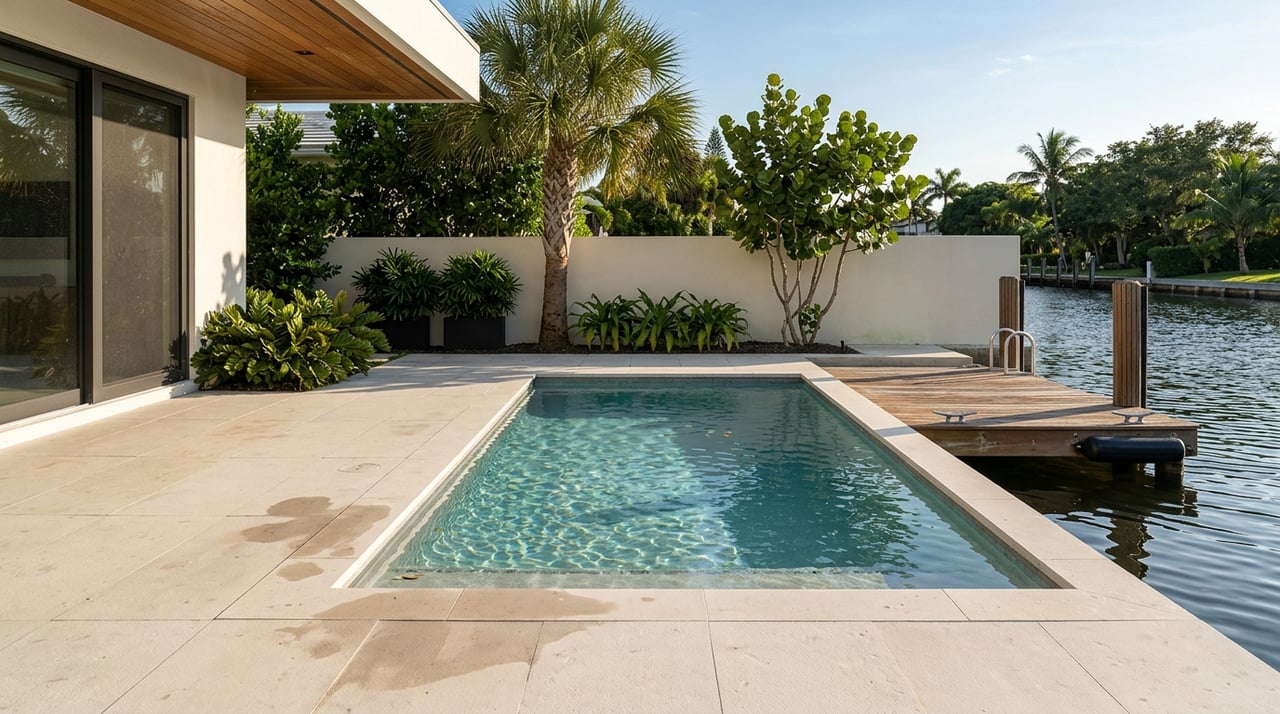
Is Waterfront Living in St. Petersburg Right for You?
April 9, 2026
April 9, 2026
What does waterfront living in St. Petersburg actually feel like once the vacation glow wears off? For many buyers, that is the real question. You are not just buying a view. You are buying into a daily routine shaped by walkability, boating access, event traffic, flood awareness, and ongoing maintenance. If you are considering a bayfront condo, a canal-front home, or a near-water neighborhood, this guide will help you understand the day-to-day reality so you can make a smarter move. Let’s dive in.
In St. Petersburg, waterfront living is not limited to one strip of sand or a single marina district. The city’s waterfront is better understood as a connected urban shoreline, with about seven miles of public waterfront stretching from Coffee Pot Park to Lassing Park, organized into six character districts according to the city’s Downtown Waterfront Master Plan.
That broader definition matters when you start your home search. Depending on where you land, your version of waterfront life may center on morning walks by the bay, quick access to a boat ramp, evenings near museums and restaurants, or a quieter residential setting with water close by.
The St. Pete Pier District adds another layer to that lifestyle. It includes a 26-acre bayfront destination with public green space, a fishing deck, waterfront dining, and pedestrian-friendly design that supports everyday use, not just weekend outings.
One of the biggest draws of waterfront living in St. Pete is how easy it is to be outside. Along the downtown shoreline, you can walk, bike, or rollerblade with direct access to public spaces and bay views. The promenade begins at Beach Drive and extends out toward the Pier, giving the area a daily rhythm that feels active and connected.
For some buyers, that means replacing short car trips with walks and bike rides. For others, it means having a built-in place to exercise, meet friends, or unwind at the end of the day. If your idea of lifestyle value includes movement, scenery, and public waterfront access, this is a meaningful part of the appeal.
That said, not every waterfront area has the same pace. Downtown tends to feel more urban and visitor-oriented, while other parts of the city offer a quieter, more residential relationship to the water.
If you are drawn to a calmer waterfront setting, Coffee Pot Bayou shows a different side of St. Pete. According to the county’s Blueways Guide, the area includes boat-ramp access and is a place where manatees, fish, and shorebirds are commonly seen.
The same guide notes that the bayou has lighter motorized traffic because of low bridges. County coastal planning materials also identify Coffee Pot Bayou as an idle-speed, no-wake zone, which helps explain why it feels slower and more neighborhood-driven than busier boating corridors.
For buyers, this can translate into a more relaxed daily experience. You may still be on the water, but the pace is often shaped more by paddling, wildlife, and neighborhood routines than by high boat traffic.
In St. Pete, boating is not just a luxury add-on. It is part of how many people use the waterfront every week. The city’s Municipal Marina concept materials describe it as an active, stand-alone facility designed to serve both slip holders and visitors, while retaining small-boat slips and fairways for real marina use.
That distinction matters. In some cities, marinas are mostly scenic backdrops. In St. Pete, the marina points to a working-boater culture where water access is used and managed as part of daily life.
Public safety infrastructure reflects that as well. The St. Petersburg Police Department includes a Marine Unit, and the city has used Demens Landing Boat Ramp for National Safe Boating Week programming, reinforcing the fact that boating here is part of everyday waterfront operations, not just recreation.
You do not need a large vessel to enjoy waterfront living here. Pinellas County’s Blueways resources frame the region around launch points, paddling trails, and different shoreline experiences, which helps explain why water access feels woven into local life.
If you enjoy kayaks, paddleboards, or smaller boats, this can be a major quality-of-life factor. Buyers often focus on whether a property has a dock, but the bigger picture includes how easy it is to launch, explore, and use the water in a more casual way.
St. Pete waterfront living also comes with an arts and dining dimension that shapes your week. The Pier District includes waterfront restaurants and public gathering areas, while downtown connects easily to museums, galleries, and arts programming.
The local arts scene is not a side note. Visit St. Pete-Clearwater highlights the Museum of the American Arts & Crafts Movement as part of the downtown waterfront arts district, and the city’s mural culture has grown to more than 170 murals since 2015.
That means the environment around the waterfront often feels cultural as much as coastal. You are not only near docks and seawalls. You are also near museums, public art, festivals, and evening events.
This lifestyle has a tradeoff. Popular waterfront districts can get busy. The Pier District supports event traffic, public parking, and trams, so some nights will feel more active than others even if you are not attending anything yourself.
For some buyers, that energy is a plus. For others, it is something to weigh carefully depending on your tolerance for crowds, parking pressure, and a more visitor-oriented setting.
One of the easiest ways to think about St. Pete waterfront housing is to break it into three lifestyle buckets. This is not an official city classification, but it is a useful way to compare what daily life may look like.
Areas around Downtown, Beach Drive, the Pier, and nearby districts tend to offer the most walkability and the strongest access to restaurants, museums, and public waterfront spaces. Based on the city’s police district maps, this cluster includes some of the most urban, active, and visitor-facing waterfront settings.
If you want a lock-and-leave condo lifestyle or a highly connected location, this category may fit best. It often appeals to buyers who prioritize convenience, views, and access to dining and culture over a quieter residential feel.
Neighborhoods such as Shore Acres, Coquina Key, Riviera Bay, and Causeway Isles tend to read as more residential and more boat-centered. These areas are commonly associated with canal-front layouts and a daily routine that may involve docks, lifts, and direct boating access.
This style can be ideal if getting on the water is central to your lifestyle. It can also come with more hands-on ownership responsibilities tied to seawalls, docks, salt exposure, and storm preparation.
Some buyers want waterfront access and a coastal feel without the same level of direct water infrastructure. Areas such as Crescent Heights, Euclid-St. Paul, Historic Kenwood, Broadwater, Bahama Shores, and Old Southeast can offer proximity to the water, breezes, and easier access to bayfront amenities without the same dependence on a dock or seawall.
For buyers who want lifestyle value with fewer direct waterfront systems to manage, this can be a smart middle ground. It is often worth comparing this option side by side with true waterfront homes.
This is the part buyers should take seriously. Pinellas County states that flooding can occur anywhere, and standard homeowners insurance typically does not cover flood damage. The county also notes that properties in Special Flood Hazard Areas have at least a one-in-four chance of flooding during a 30-year mortgage.
Before you buy, review the county’s flood insurance guidance and ask for property-specific documents where available, including flood maps and elevation certificates. Waterfront appeal should always be balanced with a clear understanding of insurance and long-term carrying costs.
Storm surge planning matters too. According to Pinellas County’s storm surge information, evacuations are based on storm surge, which is life-threatening and affects coastal areas first. The county’s flood map service center is the right starting point for checking FEMA flood zones, evacuation zones, and related disclosures.
Waterfront ownership usually comes with more maintenance than inland living. Salt exposure, docks, seawalls, drainage, and storm prep all become part of your routine and budget. That does not mean waterfront living is not worth it. It means you should go in with open eyes.
The city’s marina materials and the county’s Clean Marina emphasis both point to a waterfront environment that is actively managed. In practical terms, buyers should expect ongoing attention to systems and upkeep rather than assuming the lifestyle is carefree.
In certain parts of the city, that connection to water is built directly into local infrastructure. For example, the city’s fire station information shows that Shore Acres has St. Petersburg’s only waterfront fire station, serving Shore Acres, Snell Isle, and Venetian Isles. That is a useful reminder that some neighborhoods are deeply tied to water-related response and maintenance realities.
Another important reality is that St. Pete’s waterfront is not static. It is being actively adapted. A 2024 city agenda packet states that the Shore Acres Resiliency Infrastructure Project is intended to address daily high-tide nuisance flooding and account for sea-level rise through 2050.
That kind of investment matters for buyers thinking long term. It shows that resilience is part of the current ownership landscape, not a distant concept. If you are comparing neighborhoods, it is smart to factor in both current conditions and the local approach to infrastructure planning.
If you are serious about waterfront living in St. Petersburg, focus on the lifestyle details that will affect you every week, not just the view from the listing photos.
Ask yourself:
Those questions can save you time and help you narrow the right fit faster.
Waterfront homes in St. Petersburg can deliver an incredible lifestyle, but the best match depends on how you want to live day to day. If you want clear, practical guidance as you compare waterfront, canal-front, and near-water options, connect with The Michelle Ward Group for expert support grounded in lifestyle, property condition, and long-term value.
Stay up to date on the latest real estate trends.
The Michelle Ward Group is constantly building its reputation, which is critical to buyers and sellers of real estate. Michelle Ward Group is a well-experienced team that consistently delivers the results the most affluent home buyers and sellers demand.