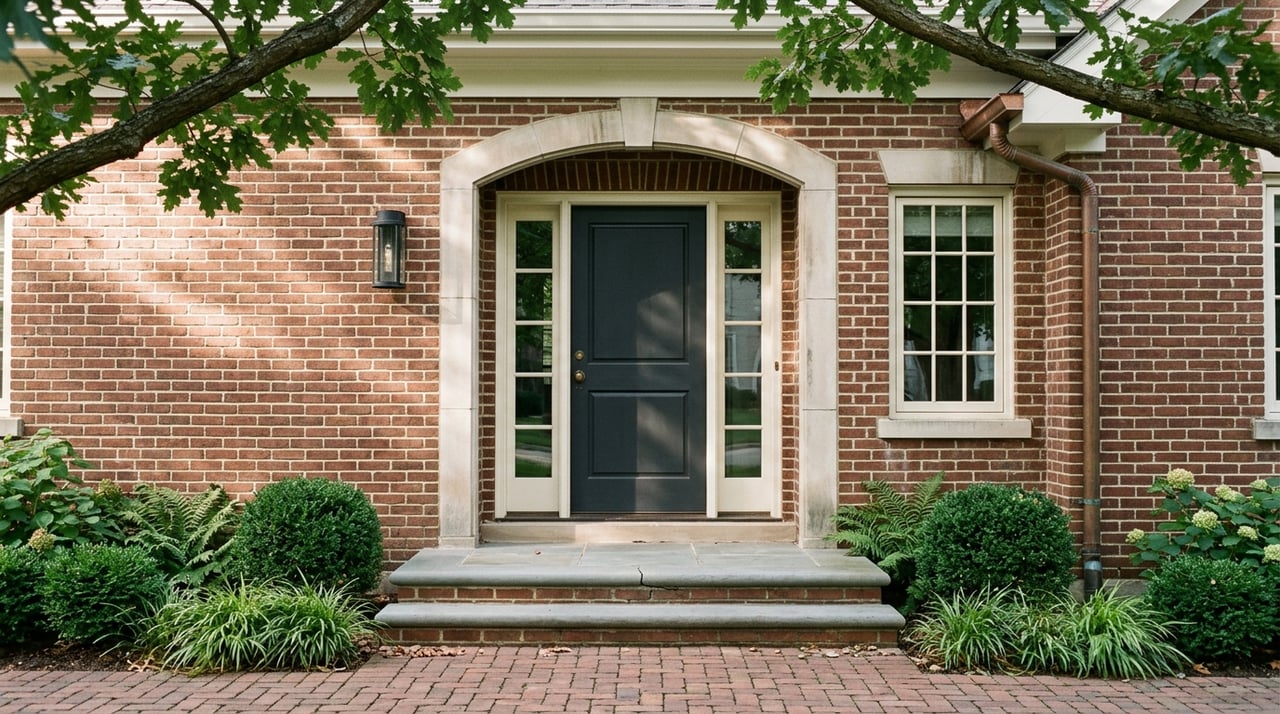
Buying an Older Riverside Home: What to Check First
April 16, 2026
April 16, 2026
If you are thinking about buying an older home in Riverside, you are not alone. The village’s historic charm, wide range of architectural styles, and long-standing design legacy can make these properties especially appealing. But older homes also come with questions about condition, maintenance, and future updates, so it helps to know what to evaluate before you make an offer. Let’s dive in.
Riverside is not a typical suburban housing market. According to the Village of Riverside, the community was designed in 1868-69 by Frederick Law Olmsted and Calvert Vaux and is recognized for weaving open space and parkland into daily life.
That history shows up directly in the housing stock. The Society of Architectural Historians notes that Riverside includes homes from the 1870s, a large number from the 1880s and 1890s, more than 350 buildings from the first two decades of the 20th century, and major growth during the 1920s and 1930s.
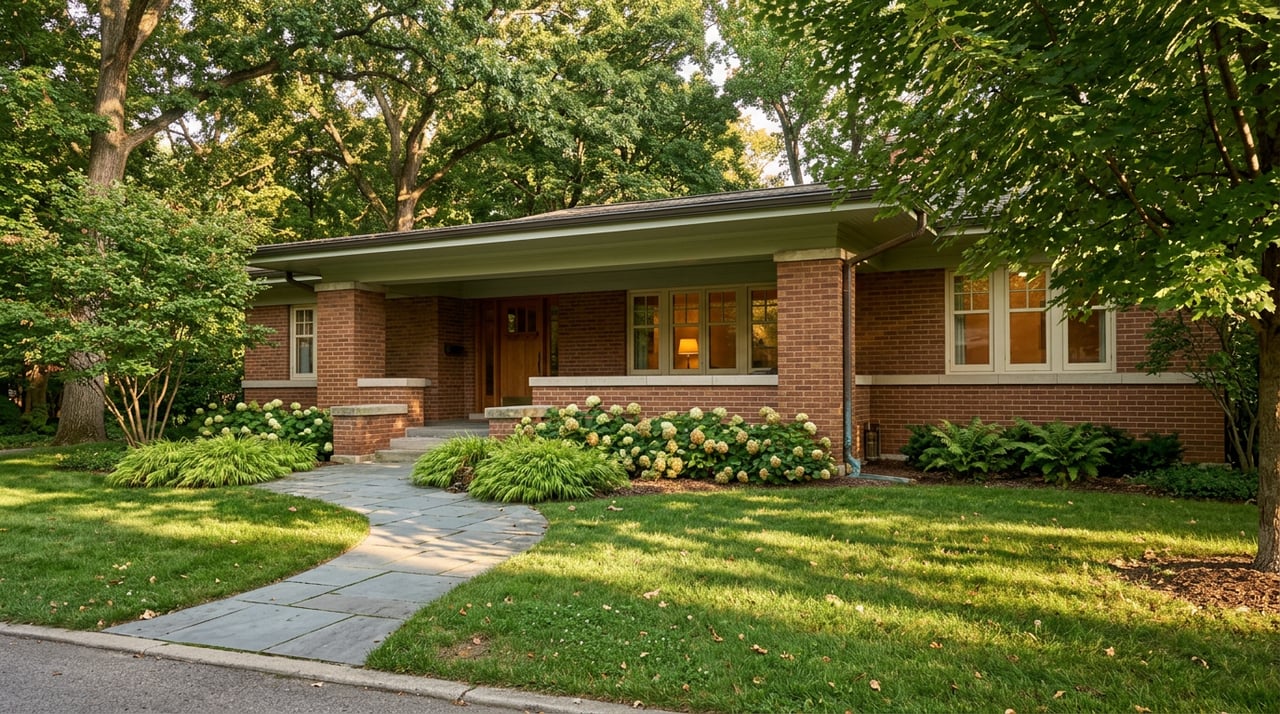
For you as a buyer, that means age alone does not tell the full story. A Queen Anne home from the late 1800s, a Prairie home from the early 1900s, and a 1930s Georgian revival property may each have very different materials, systems, and maintenance needs.
As you tour homes in Riverside, you are likely to see several architectural styles tied to different building periods. The Society of Architectural Historians identifies these common categories:
The village also points to notable architectural connections tied to names like Frank Lloyd Wright, Louis Sullivan, and William Le Baron Jenney, which helps explain the broad design range you will find in the market. That character is a major part of the appeal, but it also means renovations and repairs often deserve a more careful, property-specific approach.
When you buy an older home, one of the first things to evaluate is how well the exterior protects the structure from water. The National Park Service says historic houses can let in rain and damp air through missing mortar, cracks around windows and doors, and roof issues caused by winter ice dams. It also notes that gutters and downspouts need to stay in good working order so water is carried away from the house rather than toward it.
In practical terms, pay close attention to:
These issues do not always mean a home is a bad purchase. They do mean you should understand the scope of maintenance or repair before moving forward.
In Riverside, water management deserves special attention. The Village of Riverside says some residents experience basement water and backyard ponding during heavy rain. The village also explains that most sewers date to the late 19th century, many are combined systems, and local clay soil can slow drainage.
That combination can affect how a property handles storms. Before you make an offer, ask whether the home has had basement seepage, ponding, grading work, drain tile improvements, sump pump updates, or other exterior drainage changes.
If a seller has records showing past work and current performance, that can give you a much clearer picture of ongoing risk. A home with a good drainage plan and documented improvements may be a stronger candidate than one with unanswered water questions.
Original windows are often one of the defining features of an older Riverside home. They can also become a major budget item if you assume they all need replacement.
The National Park Service notes that window condition should be evaluated carefully and that performance can often be improved through repair, weatherstripping, and storm windows rather than full replacement. For many older homes, that repair-first approach can preserve character while improving comfort and function.
As you walk through a property, look for:
Window issues are not just cosmetic. They can point to larger moisture problems that deserve further inspection.
Older homes can hide a lot behind finished walls and ceilings. The National Park Service notes that leaking pipes and mechanical equipment are among the most common sources of moisture in historic buildings, and that older water and sewer pipes can corrode over time.
When moisture goes undetected, it can lead to stained plaster, damaged flooring, rot, mold, or mildew. That is why it is important to ask about the age and condition of:
A well-maintained older home often reflects thoughtful system updates over time. If those updates are documented, you can budget more accurately and avoid surprises after closing.
If you are buying a home built before 1978, lead-based paint should be part of your due diligence. The EPA says older homes are more likely to contain lead-based paint, and that lead paint in good condition is usually not harmful. The larger concern comes when renovation or repair work disturbs painted surfaces and creates dust.
The EPA also says asbestos-containing materials are usually best left alone if they are intact, but damaged or disturbed materials should be handled by trained and accredited asbestos professionals. For you, that means planned renovations matter just as much as current condition.
Before closing, ask for available disclosure information and think ahead about any work you may want to do. If you expect to renovate, proper testing and qualified contractors should be part of your planning.
One of the biggest mistakes buyers make with older homes is assuming the best path is full replacement. In many cases, a repair-first strategy is more practical.
The National Park Service supports repair, weatherproofing, storm windows, repointing, and drainage improvements as effective ways to improve performance while preserving character. For buyers who value both function and long-term value, that can be a smart framework.
This is also where construction-informed guidance matters. If you can separate cosmetic wish-list items from essential repairs, you can prioritize your budget and make decisions that protect both the home and your investment.
Before you plan visible exterior changes, confirm whether the property is subject to local preservation review. The Riverside Preservation Commission reviews Certificates of Appropriateness for local landmark buildings.
That can affect timelines, material choices, and project scope for work such as:
If a home is a local landmark, it is better to understand that early rather than after you have already built a renovation budget around assumptions.
Because Riverside is next to the Des Plaines River, flood planning should be part of your research. FEMA says no place is completely risk-free and recommends checking flood maps by address. FEMA also notes that standard homeowners insurance usually does not cover flood damage.
Even if a property is outside a mapped high-risk zone, it is still worth asking questions about flood history, insurance options, and how the site handles heavy rain. A little extra diligence upfront can help you avoid major surprises later.
When you are serious about an older Riverside home, these are smart questions to bring to the table:
The strongest opportunities are often the homes with solid water management, documented system improvements, and original features that can be repaired rather than replaced.
If you are considering an older home in Riverside, you need more than a quick walkthrough and a general checklist. You need practical guidance that helps you evaluate condition, renovation potential, and long-term value with clear eyes. That is where The Michelle Ward Group can help you approach the process with strategy and confidence.
Stay up to date on the latest real estate trends.




The Michelle Ward Group is constantly building its reputation, which is critical to buyers and sellers of real estate. Michelle Ward Group is a well-experienced team that consistently delivers the results the most affluent home buyers and sellers demand.