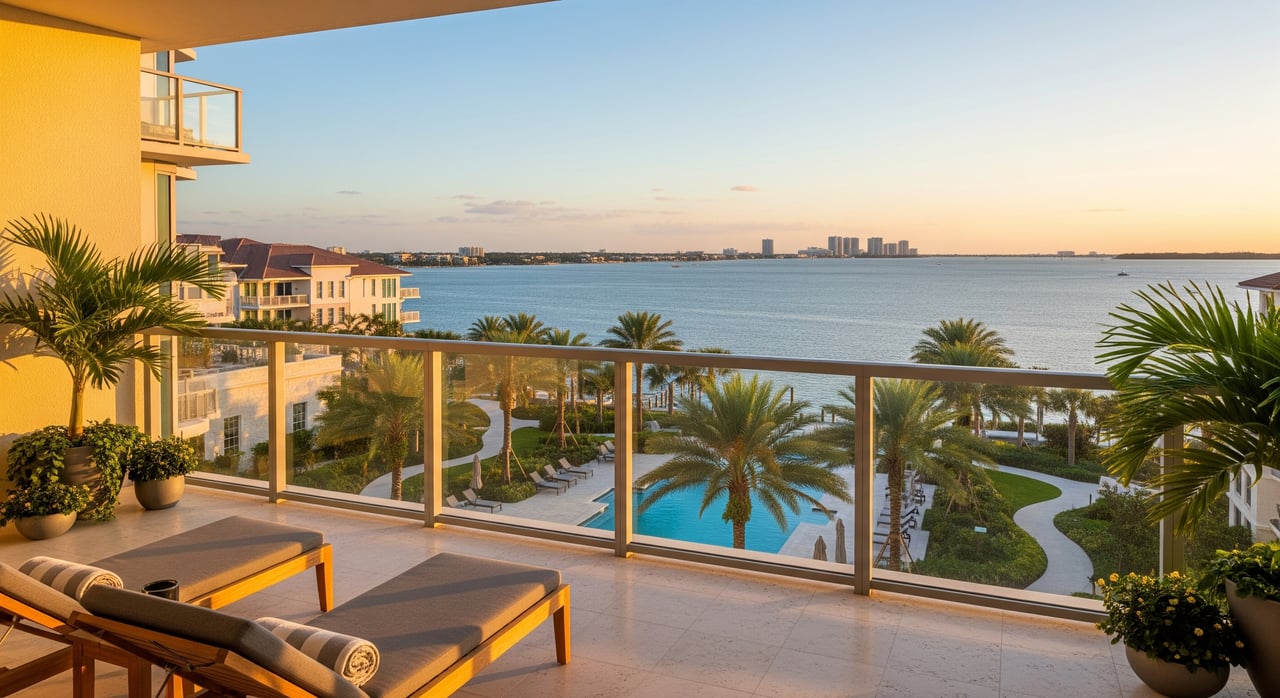
Sarasota Condo vs HOA Ownership: Costs, Rules & Risks
December 4, 2025
December 4, 2025
Trying to decide between a Sarasota condo and a home in an HOA community? You are not alone. In a coastal market with waterfront towers, master‑planned neighborhoods, and rising insurance costs, the details matter. This guide breaks down what you own, what you pay, how financing works, and the key risks to watch in Sarasota County, plus a simple checklist you can use before you make an offer. Let’s dive in.
In a condominium, you own your individual unit’s interior space and a fractional interest in the building’s common elements, like the structure, land, elevators, roof, and shared amenities. Condos in Florida are governed by a condominium association that operates under the condominium declaration, bylaws, and rules. The statewide legal framework is set by Florida Statutes Chapter 718, and consumer guidance is available through the Florida DBPR Division of Condominiums, Timeshares and Mobile Homes.
In most HOA communities, you own the lot and the structure on it. The HOA owns or maintains shared areas such as roads, landscaping, and recreational facilities. Rules and architectural controls come from recorded covenants. Florida HOAs operate under Florida Statutes Chapter 720.
Both have an elected board, budgets, regular assessments, and the ability to levy special assessments. Boards can hire professional managers or self‑manage. Rules and maintenance standards vary, so reviewing documents before you buy is essential.
Condo fees usually cover the building exterior, roof, elevators, common systems, reserves, and shared amenities. Many buildings also include building insurance on a master policy and may fold in utilities such as water, sewer, or cable. Because many big costs are shared, condo fees are often higher than HOA dues, but they also shift more maintenance away from you.
HOA dues typically fund landscaping for common areas, community amenities, private road upkeep, and security. In a single‑family HOA, you usually handle your home’s exterior, yard care, pool (if private), and most repairs. Some communities offer maintenance packages that add services for an extra fee.
Condo associations typically carry a master policy for common elements and the exterior. You buy an HO‑6 policy for your unit’s interior finishes, personal property, liability, loss of use, and often loss assessment coverage. In an HOA with single‑family homes, the association usually insures only the common areas. You carry a full homeowner policy, often an HO‑3, that covers the structure and contents. Always confirm what the master policy covers so you can size your personal coverage correctly.
Sarasota has many coastal and low‑lying areas. If a property is in a mapped flood zone, lenders usually require flood insurance. You can check a property’s flood zone using the FEMA flood maps and learn more about coverage through FEMA’s flood insurance resources. Windstorm and hurricane premiums can be higher near the coast. Review the condo master policy’s wind deductible or, for HOA homes, your own policy’s wind coverage and deductibles.
Condos centralize exterior and common‑area maintenance, which can be ideal if you want low upkeep or plan to be seasonal. You give up some control over building timelines and contractor choices, and you may face special assessments for big capital projects.
HOA single‑family homes offer private yards and more control over your property. You handle more maintenance directly, which gives you flexibility but also responsibility for exterior repairs, roofs, landscaping, and pools.
Short‑term rental rules vary by municipality, and associations often add their own restrictions. Minimum lease terms and approval requirements are common. Before you plan rental income, check both the local code and the association rules. For local questions and links to municipal departments, start with the Sarasota County government site. Even if local rules allow short stays, a condo or HOA can prohibit them.
Financing a condo can be more complex than financing a single‑family home. Many loan programs require that the condominium meet specific project standards. If a building is non‑warrantable due to high rental ratios, budget shortfalls, litigation, or delinquent dues, traditional financing may be limited. For FHA buyers, confirm project status using HUD’s FHA condominium program information.
Detached homes in HOAs are typically financed like any other single‑family residence. Lenders may still review the association’s financial health, especially if there are high delinquencies or pending litigation.
Florida requires that certain documents be provided to buyers and lenders. Expect to review the declaration or CC&Rs, bylaws, recent budgets and financials, any reserve study, meeting minutes, insurance summaries, and a resale certificate or estoppel that shows fees and any special assessments. For condominiums, the DBPR’s consumer resources are a helpful reference. Build time into your contract for association turnaround on estoppel letters and document requests.
Sarasota attracts retirees, seasonal residents, and second‑home buyers, which supports strong demand for both waterfront condos and HOA neighborhoods with amenities. Coastal towers on Siesta Key, Lido Key, Longboat Key, and downtown often appeal to buyers who want walkability, views, and convenience. Planned communities in greater Sarasota County offer a range of home sizes with community amenities and HOA governance. For demographic context, you can view the U.S. Census QuickFacts for Sarasota County.
Use this before you make an offer or list a property.
Choosing between a condo and an HOA home in Sarasota comes down to trade‑offs across fees, control, insurance, and financing. With coastal conditions, association rules, and project‑level differences, the right due diligence can save you time, money, and stress. If you want clear guidance and a clean process from offer to close, connect with The Michelle Ward Group. Our construction‑informed advice and concierge service help you buy with confidence or sell for maximum value.
Stay up to date on the latest real estate trends.

The Michelle Ward Group is constantly building its reputation, which is critical to buyers and sellers of real estate. Michelle Ward Group is a well-experienced team that consistently delivers the results the most affluent home buyers and sellers demand.